


SKU #3982
·
196 views
Tataria Worker
Cherry, Sour Cherry
User rating
0 votes0% positive reviews
No ratings yet — be the first.
Type of Sort
Cherry
Prices in stores
from69.91 €per seedling
pack from 13.38 € per pack
8 offers from 3 stores
Store offers · 8 from 3 stores
Prices are updated on loadLoading offers…
Available at: Баклажан · Лес и сад · Vegan-Tehnika
Aggregator catalog: prices are collected automatically from store websites, normalized by AI and converted at the current exchange rate. Before ordering, confirm the price and availability on the store's website. This block is not indexed by search engines — the data is loaded after the page opens.
About product

A robust, disease-resistant variety known for consistent annual yields and excellent performance in processing and preserves.
Type of Sort
Cherry
Description
Stable yields with minimal maintenance
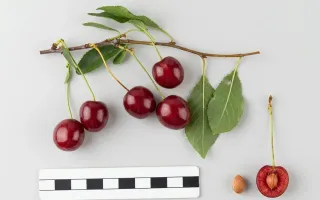
The 'Truzhenitsa Tatarii' cherry variety is widely regarded as a reliable choice for gardeners who prioritize consistency over delicate dessert traits. Unlike many demanding cherry varieties that are prone to fungal infections, this cultivar shows remarkable resistance to coccomycosis, making it a robust option for temperate climates.
Core Advantages
- Natural Disease Resistance: The tree demonstrates high immunity to the cherry slug sawfly, significantly reducing the need for intensive insecticide applications.
- Efficient Harvesting: Uniform ripening ensures that the fruit can be harvested in a single pass, which is a major advantage for commercial orchards.
- Culinary Versatility: Due to its firm texture and balanced sweet-and-sour profile, the fruit is perfect for preserving, freezing, and juice production. It retains its structure and color well during processing.
Is this variety right for you?
If you are looking for a 'set it and forget it' variety that produces a consistent annual yield, 'Truzhenitsa Tatarii' is an excellent candidate. The flavor profile is a classic, punchy cherry note—less sweet than modern dessert cherries, but far more flavorful when cooked or canned. Note that the tree tends to grow vigorously, so regular pruning is essential to keep the canopy manageable and ensure enough light reaches the fruit. It is the optimal choice for growers looking to minimize chemical inputs while maintaining high productivity.
Crop & resistance
Crop
Disease resistance
Pest resistance
Specifications
| Type of Sort | |
|---|---|
| Catalog | Catalog → Cherry, Sour Cherry |
Not yet комментариев. Be the first!
Alternatives
Cherry saplings · similar varieties




See also
Often considered together with this variety


Recently viewed
Products you’ve viewed on this site
Reviews · 0