


SKU #70426
·
54 views
OPTICS
Beans
SedekUser rating
0 votes0% positive reviews
No ratings yet — be the first.
Plant Height
Medium Height (61-80)
Assignment
Food, Feed
Growing Conditions
Open Ground
Pod Length (cm)
11-14
Prices in stores
from36 €per 1 kg
pack from 0.36 € per 10 g
1 offer from 1 store
Store offers · 1 from 1 stores
Prices are updated on loadLoading offers…
Available at: Центр Эффективного Садоводства
Aggregator catalog: prices are collected automatically from store websites, normalized by AI and converted at the current exchange rate. Before ordering, confirm the price and availability on the store's website. This block is not indexed by search engines — the data is loaded after the page opens.
About product

A resilient, medium-height bean variety for open fields, offering consistent pod development and reliable grain quality.
Plant Height
Medium Height (61-80)
Assignment
Food, Feed
Growing Conditions
Open Ground
Pod Length (cm)
11-14
Description
Stable Yields in Open Ground
The «Optika» bean variety from the seed company «Sedek» is a reliable choice for those prioritizing ease of cultivation and consistent food-grade quality. Bred by a team of experts including S.V. Dubinin, I.N. Dubinina, and A.N. Lukyanenko, this variety is tailored for open-ground conditions where resilience to environmental variability is key.
Technical Specifications
- Plant Type: Medium-height (61–80 cm), which ensures easy maintenance and efficient space management.
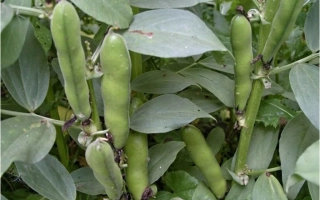
- Productivity: Each pod measures 11–14 cm in length, containing 3–4 well-developed seeds.
- Versatility: Suitable for both culinary use and fodder production, making it a valuable addition to diverse agricultural settings.
What sets «Optika» apart from similar varieties is its steady fruit setting. While many hybrids struggle with temperature fluctuations during the flowering stage, «Optika» demonstrates a consistent ability to form pods, ensuring a predictable harvest. For home gardeners and small-scale farmers, this means less dependence on perfect weather conditions and a higher success rate.
This variety is ideal for those who value efficiency. By maintaining a moderate height, the plants do not exhaust their energy on excessive foliage growth, concentrating resources on grain development instead. This energy allocation not only simplifies harvesting but also results in high-quality yields suitable for various uses. «Optika» remains a staple for those seeking a balance of hardiness, simple agronomic requirements, and reliable performance.
Specifications
| Plant Height | Medium Height (61-80) |
|---|---|
| Assignment | |
| Growing Conditions | |
| Pod Length (cm) | 11-14 |
| Number of seeds per pod | 3-4 |
| Registration year | 2010 |
| Catalog | Catalog → Beans |
| Manufacturer | Sedek |
| Legal data |
Show · 3
|
| Country | Russia |
Not yet комментариев. Be the first!






See also
Often considered together with this variety





Recently viewed
Products you’ve viewed on this site
Reviews · 0