


SKU #70445
·
62 views
NEYA
Blueberry
User rating
0 votes0% positive reviews
No ratings yet — be the first.
Ripening Period
Medium (65-75)
Bush height, cm
100
Flavor
Sour-sweet
Berry Color
Blue
About product

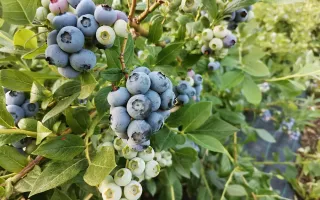
A reliable mid-season blueberry cultivar offering consistent yields and high adaptability to temperate climate conditions.
Ripening Period
Medium (65-75)
Bush height, cm
100
Flavor
Sour-sweet
Berry Color
Blue
Description
Technical Profile: 'Neya' Blueberry
Developed by the Russian Research Institute of Forestry and Mechanization (VNIILM), 'Neya' is a blueberry cultivar optimized for temperate climates. Its primary technical asset is its mid-season maturation period (65–75 days), which ensures reliable harvest timing before the onset of extreme weather patterns.
Morphology and Cultivation Parameters
- Plant Architecture: The bush reaches a height of 100 cm. This compact growth habit is ideal for high-density planting and simplifies canopy management and mechanical harvesting operations.
- Productivity Cycle: The cultivar reaches commercial fruit-bearing stage starting in its 3rd year of growth.
- Soil Requirements: 'Neya' requires a strictly acidic substrate (pH 4.0–5.0). Deviations from this range directly impede nutrient uptake and overall plant vigor.
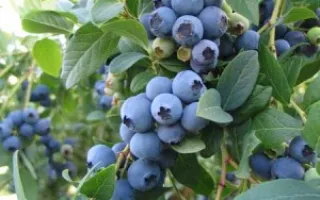
The berries exhibit a distinct blue color and a balanced sweet-and-sour flavor profile. Regarding water management, 'Neya' thrives in conditions with moderate, consistent soil moisture. Given that blueberries possess a shallow root system, maintaining optimal hydration in the topsoil layer—without inducing waterlogging—is the most critical node for maximizing yield potential and maintaining metabolic stability.
Specifications hover over for a hint about the specification
|
Ripening Period
Ripening Period
It takes 70-100 days until pepper reaches flowering stage, 130-160 days until technical fruit ripeness, and 135-180 days until physiological ripeness. |
Medium (65-75) |
|---|---|
| Bush height, cm | 100 |
| Flavor | |
| Berry Color | |
| Soil Requirements | |
| Soil Moisture | |
| Year of First Fruit Bearing | 3 |
| Registration year | 2022 |
| Catalog | Catalog → Blueberry |
| Legal data |
Show · 2
|
| Country | Russia |
Store offers
Prices are updated on loadLoading offers…
Aggregator catalog: prices are collected automatically from store websites, normalized by AI and converted at the current exchange rate. Before ordering, confirm the price and availability on the store's website. This block is not indexed by search engines — the data is loaded after the page opens.
Not yet комментариев. Be the first!




See also
Often considered together with this variety





Recently viewed
Products you’ve viewed on this site
Reviews · 0