


SKU #37918
·
47 views
Barley Wodohray
Barley
User rating
0 votes0% positive reviews
No ratings yet — be the first.
Plant Type
Spring barley
Plant Height
70-80cm
Vegetation Period (Maturity)
80-90 days
Seed; mass 1.000seeds
48-50 grams
Store offers · 1 from 1 stores
Prices are updated on loadLoading offers…
Available at: ФОРСАГРО · Yablukom
Aggregator catalog: prices are collected automatically from store websites, normalized by AI and converted at the current exchange rate. Before ordering, confirm the price and availability on the store's website. This block is not indexed by search engines — the data is loaded after the page opens.
About product

Spring barley variety Wodohray is a medium-maturing variant of Nutans, registered in the State Register since 2005. This variety is recommended for cultivation in the Polissia and Forest-Steppe zones, primarily intended for grain production. Plants have semi-erect stems, medium-length spikes (8-10 cm) with a density of about 10 nodes per 4 cm spike stem. The spike is spindle-shaped, straw-yellow i…
Plant Type
Spring barley
Plant Height
70-80cm
Vegetation Period (Maturity)
80-90 days
Seed; mass 1.000seeds
48-50 grams
Description
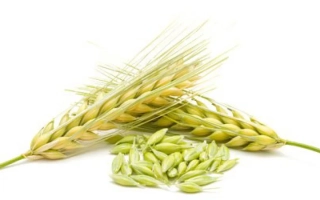
Spring barley variety Wodohray is a medium-maturing variant of Nutans, registered in the State Register since 2005. This variety is recommended for cultivation in the Polissia and Forest-Steppe zones, primarily intended for grain production. Plants have semi-erect stems, medium-length spikes (8-10 cm) with a density of about 10 nodes per 4 cm spike stem. The spike is spindle-shaped, straw-yellow in color, drooping at maturity. Grain is large, yellow, thin-skinned, rhombic in shape, with a 1000-grain weight of 48-52 g. Leaves are dark green, hairless, with long, slender, elastic awns of straw-yellow color. Variety Wodohray exhibits high resistance to various adverse factors. It shows resistance to lodging and shattering at a level of 9 points, as well as high drought tolerance. Additionally, the variety is resistant to powdery mildew, helminthosporiosis, rust, dwarf bunt, and various types of smut, ensuring stable yields and reducing the risk of losses. The vegetation period is 85-87 days, plant height reaches 70-80 cm, and protein content in grain varies from 14 to 16%. Yield of variety Wodohray according to state trials reaches 50.8 centners per hectare, while the average yield over the last three years is 69.1 centners per hectare, indicating high productivity potential — 75-78 centners per hectare. To achieve maximum yield, the recommended seeding rate is 4.0-4.5 million seeds per hectare or 230-250 kg/ha with mandatory application of mineral fertilizers. High grain uniformity (99%) and stem strength facilitate harvesting and ensure high-quality raw material.
Crop & resistance
Crop
Disease resistance
Specifications
| Plant Type | |
|---|---|
| Plant Height | 70-80cm |
| Vegetation Period (Maturity) | 80-90 days |
| Seed; mass 1.000seeds | 48-50 grams |
| Registration year | 2005 |
| Catalog | Catalog → Barley |
| Legal data |
Show · 1
|
| Country | Ukraine |
Not yet комментариев. Be the first!
Alternatives
Barley seeds · similar varieties




See also
Often considered together with this variety





Recently viewed
Products you’ve viewed on this site
Reviews · 0