

SKU #37921
·
45 views
Gelios
Barley
Pryvatne aktsionerne tovarystvo "Selena"User rating
0 votes0% positive reviews
No ratings yet — be the first.
Plant Height
70-80cm
Vegetation Period (Maturity)
90-100 days
Seed; mass 1.000seeds
48-50 grams
Registration year
2006
Prices in stores
from0.19 €per 1 kg
pack from 185.98 € per 1 t
5 offers from 5 stores
Store offers · 5 from 5 stores
Prices are updated on loadLoading offers…
Available at: Агроексперт-Трейд · Agromen · Агро Пионер · Агропошта · Yablukom
Aggregator catalog: prices are collected automatically from store websites, normalized by AI and converted at the current exchange rate. Before ordering, confirm the price and availability on the store's website. This block is not indexed by search engines — the data is loaded after the page opens.
About product
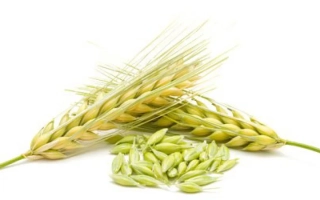
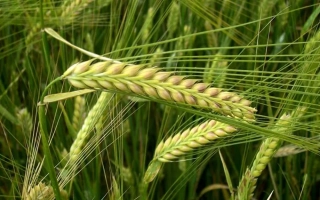
Gelios barley is a high-yielding six-row variety of bright barley, intended for intensive cultivation with reduced seeding rates. The variety is characterized by early tillering and a vegetation period of 90-93 days, making it medium-early in maturity. Plants are erect, 70-80 cm tall, with green, non-hairy leaves. The spike is long (8-10 cm), semi-erect, non-breakable, and not dense, containing 9-…
Plant Height
70-80cm
Vegetation Period (Maturity)
90-100 days
Seed; mass 1.000seeds
48-50 grams
Registration year
2006
Description
Gelios barley is a high-yielding six-row variety of bright barley, intended for intensive cultivation with reduced seeding rates. The variety is characterized by early tillering and a vegetation period of 90-93 days, making it medium-early in maturity. Plants are erect, 70-80 cm tall, with green, non-hairy leaves. The spike is long (8-10 cm), semi-erect, non-breakable, and not dense, containing 9-10 nodes per 4 cm of spike stem. The grain is large, elongated-oval in shape, yellow in color, without anthocyanin pigmentation, with a 1000-grain weight of 47.8-49.9 g. The grain detaches easily during threshing.
The Gelios variety exhibits high drought, lodging, shattering, and temperature fluctuation resistance, as well as high resistance to major barley diseases such as powdery mildew, rust, downy mildew, and helminthosporiosis. Due to its reduced photoperiod sensitivity, the variety ensures stable yields regardless of spring onset timing and across various latitudinal zones of Ukraine, including Steppe, Forest-Steppe, and Polesie. The yield potential reaches 89-90 c/ha, with average yields typically ranging from 50.8-55.1 c/ha.
To achieve maximum productivity, a seeding rate of 180-200 kg/ha (4.0-4.5 million germinating seeds per hectare) is recommended. The variety is sensitive to fertilizer application, especially ammonium nitrate; applying it at 180-200 kg/ha can increase yield by 10-15 c/ha. A delay of 5-10 days in sowing results in a 4-6 c/ha yield reduction. Cultivation practices are standard for the cultivation zones, making Gelios a universal and reliable choice for grain use.
The Gelios variety exhibits high drought, lodging, shattering, and temperature fluctuation resistance, as well as high resistance to major barley diseases such as powdery mildew, rust, downy mildew, and helminthosporiosis. Due to its reduced photoperiod sensitivity, the variety ensures stable yields regardless of spring onset timing and across various latitudinal zones of Ukraine, including Steppe, Forest-Steppe, and Polesie. The yield potential reaches 89-90 c/ha, with average yields typically ranging from 50.8-55.1 c/ha.
To achieve maximum productivity, a seeding rate of 180-200 kg/ha (4.0-4.5 million germinating seeds per hectare) is recommended. The variety is sensitive to fertilizer application, especially ammonium nitrate; applying it at 180-200 kg/ha can increase yield by 10-15 c/ha. A delay of 5-10 days in sowing results in a 4-6 c/ha yield reduction. Cultivation practices are standard for the cultivation zones, making Gelios a universal and reliable choice for grain use.
Crop & resistance
Crop
Disease resistance
Specifications
| Plant Height | 70-80cm |
|---|---|
| Vegetation Period (Maturity) | 90-100 days |
| Seed; mass 1.000seeds | 48-50 grams |
| Registration year | 2006 |
| Catalog | Catalog → Barley |
| Manufacturer | Pryvatne aktsionerne tovarystvo "Selena" |
| Legal data |
Show · 1
|
| Country | Ukraine |
Not yet комментариев. Be the first!
Alternatives
Barley seeds · similar varieties





See also
Often considered together with this variety


Recently viewed
Products you’ve viewed on this site
Reviews · 0