


SKU #37844
·
56 views
Wintmalt
Barley
KWSUser rating
0 votes0% positive reviews
No ratings yet — be the first.
Plant Type
Winter Barley
Culm; Number of Rows
Two-row
Plant Height
60-70cm
Seed; mass 1.000seeds
44-46 grams
Prices in stores
from0.3 €per 1 kg
pack from 300.16 € per pack
2 offers from 2 stores
Store offers · 2 from 2 stores
Prices are updated on loadLoading offers…
Available at: Хаском Трейд · Khaskom
Aggregator catalog: prices are collected automatically from store websites, normalized by AI and converted at the current exchange rate. Before ordering, confirm the price and availability on the store's website. This block is not indexed by search engines — the data is loaded after the page opens.
About product

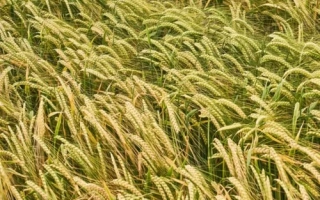
Wintmalt — a high-yielding winter two-row barley variety, primarily intended for brewing purposes. Plants reach a height of up to 75 cm, have an erect growth habit, and bear medium-density, straw-yellow spikelets. The vegetation period lasts 280–290 days, allowing successful cultivation in the Polissya, Forest-Steppe, and Steppe zones. Yield varies from 52 to 100 c/ha, with a 1000-grain weight of…
Plant Type
Winter Barley
Culm; Number of Rows
Two-row
Plant Height
60-70cm
Seed; mass 1.000seeds
44-46 grams
Description
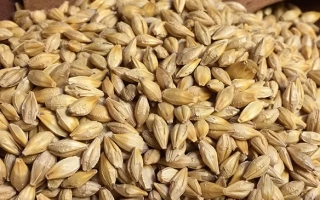
Wintmalt — a high-yielding winter two-row barley variety, primarily intended for brewing purposes. Plants reach a height of up to 75 cm, have an erect growth habit, and bear medium-density, straw-yellow spikelets. The vegetation period lasts 280–290 days, allowing successful cultivation in the Polissya, Forest-Steppe, and Steppe zones. Yield varies from 52 to 100 c/ha, with a 1000-grain weight of approximately 44 g and high grain test weight — around 8. The variety is characterized by low protein content and very high malt extractability, making it especially valuable for the brewing industry. Wintmalt exhibits high resistance to a wide range of diseases, including yellow mosaic virus, brown rust, powdery mildew, helminthosporiosis, Fusarium, rhi nosporiosis, and net blotch. Additionally, it possesses good winter hardiness, medium-to-high resistance to lodging and spike breakage, and high resistance to stress conditions such as drought and shattering. For optimal yield, a three-times disease and pest protection program is recommended, along with adherence to optimal sowing dates — from September 25 to October 10. Sowing recommendations for Wintmalt include a seeding rate of 300 to 450 germinating seeds per square meter or approximately 4.5 million seeds per hectare, sown at a depth of 3–4 cm. The variety performs well in late autumn and early spring emergence. The best preceding crops are legumes, which contribute to higher yields and grain quality. Due to its characteristics and resistance, Wintmalt is a reliable choice for farmers focused on producing high-quality brewing barley.
Crop & resistance
Crop
Specifications
| Plant Type | |
|---|---|
| Culm; Number of Rows | |
| Plant Height | 60-70cm |
| Seed; mass 1.000seeds | 44-46 grams |
| Registration year | 2009 |
| Catalog | Catalog → Barley |
| Manufacturer | KWS |
| Legal data |
Show · 5
|
| Country | Germany |
Not yet комментариев. Be the first!
Alternatives
Barley seeds · similar varieties






See also
Often considered together with this variety




Recently viewed
Products you’ve viewed on this site
Reviews · 0