


SKU #60371
·
38 views
OMSK 104
Barley
User rating
0 votes0% positive reviews
No ratings yet — be the first.
Plant Type
Spring barley
Seed; mass 1.000seeds
48-50 grams
Grain; Nitrogenous substances content in dry residue, %
12
Registration year
2025
About product

A large-grain spring barley variety with high adaptability and robust genetic resistance to smut.
Plant Type
Spring barley
Seed; mass 1.000seeds
48-50 grams
Grain; Nitrogenous substances content in dry residue, %
12
Registration year
2025
Description
Reliability and Quality in Siberian Breeding
The "Omsky 104" spring barley variety is a result of extensive research by the Omsk Agrarian Scientific Center, specifically bred to provide predictable yields in challenging continental climates. The primary advantage of this variety lies in its balance of physiological robustness and consistent grain quality, making it a preferred choice for producers focused on both fodder and food markets.
Agronomic Traits and Protection
A key feature of "Omsky 104" is its immunological profile. The variety demonstrates strong genetic resistance to loose smut, which significantly lowers costs for pre-sowing fungicide treatments and reduces the risk of crop quality degradation. It also displays marked tolerance to onion stem smut, allowing for flexible crop rotation strategies.
Grain Specifications
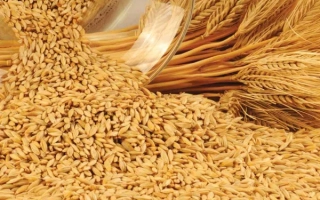
- Thousand-grain weight: 48–50 grams. Large, well-filled grain ensures excellent germination energy.
- Nitrogenous content: 12% in dry matter. These levels ensure reliable nutritional value for the final harvest.
Strengths and Considerations: "Omsky 104" stands out among competitors for its adaptability to dry spells and high grain test weight. However, like many varieties of Siberian origin, it requires strict adherence to planting dates; delayed sowing may reduce tillering potential. This barley is an optimal solution for agricultural producers who prioritize a combination of grain size and reliable resistance to smut diseases without heavy dependence on chemical inputs.
Crop & resistance
Crop
Disease resistance
Specifications
| Plant Type | |
|---|---|
| Seed; mass 1.000seeds | 48-50 grams |
| Grain; Nitrogenous substances content in dry residue, % | 12 |
| Registration year | 2025 |
| Catalog | Catalog → Barley |
| Legal data |
Show · 1
|
| Country | Russia |
Store offers
Prices are updated on loadLoading offers…
Aggregator catalog: prices are collected automatically from store websites, normalized by AI and converted at the current exchange rate. Before ordering, confirm the price and availability on the store's website. This block is not indexed by search engines — the data is loaded after the page opens.
Not yet комментариев. Be the first!
Alternatives
Barley seeds · similar varieties




See also
Often considered together with this variety





Recently viewed
Products you’ve viewed on this site
Reviews · 0