


SKU #60377
·
40 views
Milan
Barley
ФГБНУ Федеральный исследовательский центр «Немчиновка»User rating
0 votes0% positive reviews
No ratings yet — be the first.
Plant Type
Spring barley
Vegetation Period (Maturity)
80-90 days
Seed; mass 1.000seeds
42-44 grams, 44-46 grams, 46-48 grams, 48-50 grams
Registration year
2024
About product

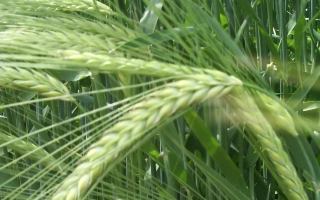
Spring barley variety Milan is a mid-early grain variety created through joint work with FGBNU FCI 'Nemchinovka'. It is characterized by high adaptability to various cultivation conditions, drought resistance, lodging resistance, and germination resistance on roots. The vegetation period of the variety is from 76 to 93 days, which allows for effective use in various climatic zones. The bush is sem…
Plant Type
Spring barley
Vegetation Period (Maturity)
80-90 days
Seed; mass 1.000seeds
42-44 grams, 44-46 grams, 46-48 grams, 48-50 grams
Registration year
2024
Description
Spring barley variety Milan is a mid-early grain variety created through joint work with FGBNU FCI 'Nemchinovka'. It is characterized by high adaptability to various cultivation conditions, drought resistance, lodging resistance, and germination resistance on roots. The vegetation period of the variety is from 76 to 93 days, which allows for effective use in various climatic zones. The bush is semi-upright, medium-height, with a head ranging from loose to medium density, cylindrical, covered with medium waxy bloom. Awns are long, serrated, with a pronounced anthocyanin coloring at the tips, which is a characteristic feature of the nathanse variety. The Milan variety has high productivity and resistance to major barley diseases, such as loose smut, net blotch, dark brown spot, stem rust, and powdery mildew. Average yield in various regions and trials varies from 39.7 to 48.2 c/ha, with maximum indicators up to 85 c/ha. In the ecological variety trial, average yield reached 4.87 t/ha, which is 0.46 t/ha higher than the standard. Protein content in the grain ranges from 10.4 to 14.3%, mass of 1000 grains varies from 43 to 58.8 grams, and grain nativity is 710-724 g/l. These indicators make the variety suitable for feed, food, and brewing use. Milan is recommended for cultivation on various soil types, including podzolic, grey forest soils, and chernozems, which expands its agronomic capabilities. The variety is successfully cultivated in the Central region of Russia, including Bryansk, Ivanovo, Ryazan, Smolensk regions and the Perm Krai. Thanks to its resistance to adverse factors and high agronomic characteristics, barley Milan is a reliable choice for farmers seeking to obtain a stable and high-quality harvest.
Crop & resistance
Crop
Specifications
| Plant Type | |
|---|---|
| Vegetation Period (Maturity) | 80-90 days |
| Seed; mass 1.000seeds | 42-44 grams, 44-46 grams, 46-48 grams, 48-50 grams |
| Registration year | 2024 |
| Catalog | Catalog → Barley |
| Manufacturer | ФГБНУ Федеральный исследовательский центр «Немчиновка» |
| Legal data |
Show · 1
|
| Country | Russia |
Store offers
Prices are updated on loadLoading offers…
Available at: Свое Фермерство
Aggregator catalog: prices are collected automatically from store websites, normalized by AI and converted at the current exchange rate. Before ordering, confirm the price and availability on the store's website. This block is not indexed by search engines — the data is loaded after the page opens.
Not yet комментариев. Be the first!
Alternatives
Barley seeds · similar varieties



See also
Often considered together with this variety


Recently viewed
Products you’ve viewed on this site
Reviews · 0