


SKU #37972
·
35 views
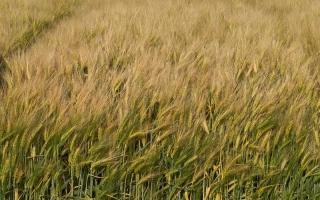
Barley
Barley
Poznanska Hodowla Roslin Sp. z o.oUser rating
0 votes0% positive reviews
No ratings yet — be the first.
Plant Type
Winter Barley
Plant Height
80-90cm
Vegetation Period (Maturity)
90-100 days
Seed; mass 1.000seeds
40-42 grams, 42-44 grams, 44-46 grams
About product

A reliable winter barley variety with high disease resistance and stable grain weight.
Plant Type
Winter Barley
Plant Height
80-90cm
Vegetation Period (Maturity)
90-100 days
Seed; mass 1.000seeds
40-42 grams, 42-44 grams, 44-46 grams
Description
Stability and Crop Health in Winter Barley
The Polish winter barley variety "Komplet" from the breeding center Poznanska Hodowla Roslin Sp. z o.o is a choice for farmers who prioritize predictable yields in temperate climate conditions. The key feature of this variety lies in the combination of genetic resistance to leaf pathogens and the ability to produce high-quality grain with standard agronomic inputs.
Agronomic Profile and Protection
The main task that "Komplet" solves in the field is the minimization of fungicide pressure. The variety demonstrates high resistance to common threats:
- Net Blotch and Rhynchosporium: The variety possesses strong immunity, which allows for a significant reduction in the risk of losses during early vegetation stages, when the infectious background is most aggressive.
- Rust, Fusarium, and Powdery Mildew Control: This product from Poznanska Hodowla Roslin effectively resists a classic set of fungal diseases. This simplifies the plant protection plan and helps optimize the budget for crop protection products.
Development Features and Yield
The plants reach a height of 80–90 cm. This is considered optimal: the barley has sufficient straw for biomass accumulation while maintaining high lodging resistance, which is critical for mechanized harvesting. A vegetation period of 90–100 days (in the active phase) allows "Komplet" to be effectively integrated into crop rotations after early predecessors.
The plumpness of the ear deserves special attention. The 1000-kernel weight varies from 40 to 46 grams, which, when cultivation technology is followed, ensures a consistently high grain test weight. This makes the variety commercially attractive not only for feed purposes but also for commercial market sales.
Practical Recommendations
The "Komplet" variety demonstrates its best potential in fertile soils when sowing dates are respected. Choosing this variety is justified for farms seeking to reduce dependence on weather fluctuations during the spring-summer period. High competitiveness against pathogens makes it a reliable tool in the hands of an agronomist focused on obtaining consistently plump grain with minimal disease risks.
Crop & resistance
Crop
Disease resistance
Specifications
| Plant Type | |
|---|---|
| Plant Height | 80-90cm |
| Vegetation Period (Maturity) | 90-100 days |
| Seed; mass 1.000seeds | 40-42 grams, 42-44 grams, 44-46 grams |
| Registration year | 2025 |
| Catalog | Catalog → Barley |
| Manufacturer | Poznanska Hodowla Roslin Sp. z o.o |
| Country | Poland |
Store offers
Prices are updated on loadLoading offers…
Aggregator catalog: prices are collected automatically from store websites, normalized by AI and converted at the current exchange rate. Before ordering, confirm the price and availability on the store's website. This block is not indexed by search engines — the data is loaded after the page opens.
Not yet комментариев. Be the first!
Alternatives
Barley seeds · similar varieties




See also
Often considered together with this variety


Recently viewed
Products you’ve viewed on this site
Reviews · 0