


SKU #60041
·
41 views
Medea
Apple
User rating
0 votes0% positive reviews
No ratings yet — be the first.
Type of Sort
Winter Apple Variety
Tree; Growth Power
Medium-height
Tree; Canopy Shape
Broad canopy
Fruit; Fruit Shape
Flat-round
About product

The Medea apple variety is a medium-sized tree with winter ripening, developed at the Crimean Experimental Station of Horticulture. This variety is characterized by early fruiting, starting as early as 3-4 years after planting, which allows for stable and high yields. The tree prefers sunny, wind-protected locations, does not tolerate waterlogging or excessive dryness, and groundwater should not b…
Type of Sort
Winter Apple Variety
Tree; Growth Power
Medium-height
Tree; Canopy Shape
Broad canopy
Fruit; Fruit Shape
Flat-round
Description
The Medea apple variety is a medium-sized tree with winter ripening, developed at the Crimean Experimental Station of Horticulture. This variety is characterized by early fruiting, starting as early as 3-4 years after planting, which allows for stable and high yields. The tree prefers sunny, wind-protected locations, does not tolerate waterlogging or excessive dryness, and groundwater should not be closer than 2.5 meters to the surface. The apple tree is not demanding on soils but develops better on fertile and fresh soils. Planting is recommended in spring before bud break or in autumn 1-1.5 months before frost, maintaining a distance between saplings of at least 5-6 meters.
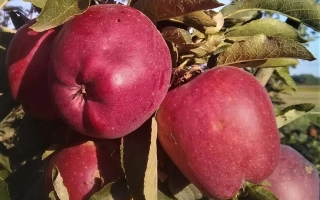
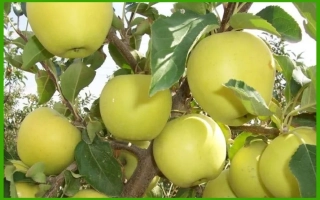
Medea fruits are large and extra-large, weighing 280-300 grams, with a regular flat-round shape. The skin is firm, light yellow with a blurred orange-red blush covering almost the entire surface. The flesh is dense, creamy, juicy, and finely-grained, with a high-quality sweet-and-sour taste, rated 4.6-4.7 points. Harvest readiness occurs in early October, and when stored in a refrigerator, the fruits retain their properties until April. The variety has good transportability, making it convenient for marketing and storage.
Medea is characterized by high resistance to fungal diseases, particularly scab, and moderate winter hardiness, which limits its use in regions with harsh winters but makes it ideal for Crimea and other regions with a warm climate. Care for the tree includes the application of mineral fertilizers, especially in the second year after planting, as well as regular feeding during the growing season. Protection against freezing and rodents is necessary in winter. Pruning is done in the form of a spindle-shaped crown, and propagation is achieved through grafting on rootstocks. The variety is valued for the high taste qualities of its fruits, decorative appearance, and stable yield.
Medea fruits are large and extra-large, weighing 280-300 grams, with a regular flat-round shape. The skin is firm, light yellow with a blurred orange-red blush covering almost the entire surface. The flesh is dense, creamy, juicy, and finely-grained, with a high-quality sweet-and-sour taste, rated 4.6-4.7 points. Harvest readiness occurs in early October, and when stored in a refrigerator, the fruits retain their properties until April. The variety has good transportability, making it convenient for marketing and storage.
Medea is characterized by high resistance to fungal diseases, particularly scab, and moderate winter hardiness, which limits its use in regions with harsh winters but makes it ideal for Crimea and other regions with a warm climate. Care for the tree includes the application of mineral fertilizers, especially in the second year after planting, as well as regular feeding during the growing season. Protection against freezing and rodents is necessary in winter. Pruning is done in the form of a spindle-shaped crown, and propagation is achieved through grafting on rootstocks. The variety is valued for the high taste qualities of its fruits, decorative appearance, and stable yield.
Video · 1 video
Suggest a video →Crop & resistance
Disease resistance
Specifications hover over for a hint about the specification
| Type of Sort | |
|---|---|
| Tree; Growth Power | |
| Tree; Canopy Shape | |
| Fruit; Fruit Shape | |
| Fruit; Fruit mass | 250-300 grams |
| Fruit; Fruit Color (Base Color) | |
| Fruit; Blush (Blush Color) | |
|
Fruit; flesh color
Fruit; flesh color
Color of the fruit flesh. There are red, pink, yellow, and brown colors. |
|
| Fruit; Taste qualities | 4.5 stars |
| Fruit; Lying | Up to 1 month |
| Cold Resistance | |
| Registration year | 2022 |
| Catalog | Catalog → Apple |
| Legal data |
Show · 9
|
| Country | Russia |
Store offers
Prices are updated on loadLoading offers…
Aggregator catalog: prices are collected automatically from store websites, normalized by AI and converted at the current exchange rate. Before ordering, confirm the price and availability on the store's website. This block is not indexed by search engines — the data is loaded after the page opens.
Not yet комментариев. Be the first!
Alternatives
Apple saplings · similar varieties







See also
Often considered together with this variety




Recently viewed
Products you’ve viewed on this site
Reviews · 0