


SKU #73347
·
56 views
ZONTIK
Anise
Научно-производственная Фирма Российские СеменаUser rating
0 votes0% positive reviews
No ratings yet — be the first.
Herbs
Anise
Culture Type
Annual
Plant Height
60–70
Registration year
2003
About product

A stable variety of anise with synchronous seed ripening and a high concentration of essential oils.
Herbs
Anise
Culture Type
Annual
Plant Height
60–70
Registration year
2003
Description
Technical profile of Anise 'Zontik'
The common anise 'Zontik', developed by the Research and Production Firm 'Russian Seeds' (Npf Rossiyskie Semena), is a breeding achievement focused on obtaining stable yields of essential oil raw materials. The originators (Z. S. Vinogradov, V. V. Zazimko) prioritized the optimization of the annual crop's vegetative cycle, allowing the plant to reach maturity within temperate climate conditions.
Biological parameters and morphology
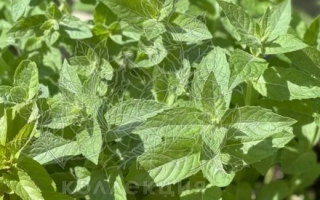
- Plant height: 60–70 cm. The compact architecture of the bush facilitates mechanical harvesting and reduces the risk of lodging during heavy rainfall.
- Vegetation type: Annual. During one development cycle, the crop manages to accumulate the maximum concentration of anethole in its seeds.
- Aromatic properties: The plant exhibits high aromatic intensity, making the 'Zontik' variety highly demanded in both the food industry and pharmaceutical production.
A key feature of this variety is the synchronous ripening of seeds within the umbels. For an agronomist, this means a predictable harvest window, minimizing the loss of volatile essential oils that dissipate if the crop remains in the field too long. The optimal stem height (up to 70 cm) is deliberate: it provides a balance between root system development and the accumulation of biomass necessary for photosynthesis and high-quality seed formation.
When cultivating, one must consider the variety's requirements regarding soil structure and light levels. Due to the selection work by Npf Rossiyskie Semena, 'Zontik' possesses increased resistance to common crop pathogens, which helps reduce the fungicide burden during the vegetation period. Adhering to sowing technologies in pre-warmed soil ensures uniform germination and consistent development of secondary and tertiary lateral shoots, where the majority of the yield is formed.
Specifications
| Herbs | |
|---|---|
| Culture Type | |
| Plant Height | 60–70 |
| Registration year | 2003 |
| Catalog | Catalog → Anise |
| Manufacturer | Научно-производственная Фирма Российские Семена |
| Legal data |
Show · 2
|
| Country | Russia |
Store offers
Prices are updated on loadLoading offers…
Aggregator catalog: prices are collected automatically from store websites, normalized by AI and converted at the current exchange rate. Before ordering, confirm the price and availability on the store's website. This block is not indexed by search engines — the data is loaded after the page opens.
Not yet комментариев. Be the first!


See also
Often considered together with this variety




Recently viewed
Products you’ve viewed on this site
Reviews · 0