


SKU #73367
·
61 views
Ametist
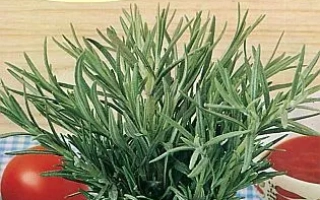
Rosemary
User rating
0 votes0% positive reviews
No ratings yet — be the first.
Medicinal Plants
Rosemary
Assignment
Culinary, Medicinal
Aromaticity
Strong aroma
Registration year
2020
About product

A high-potency rosemary cultivar optimized for professional culinary and medicinal use.
Medicinal Plants
Rosemary
Assignment
Culinary, Medicinal
Aromaticity
Strong aroma
Registration year
2020
Description
A Benchmark in Essential Oil Content
Rosemary 'Amethyst' is a product of precision breeding by the Nikita Botanical Gardens (NBS-NNC RAS), led by L.A. Khlipenko and O.M. Shevchuk. Moving away from wild-type rosemary, this cultivar is specifically selected for high-intensity aromatics and a robust pharmacological profile, making it a standout choice for both pharmaceutical processing and high-end gastronomy.
Why 'Amethyst' Outperforms Standard Cultivars
- Exceptional Aromatic Density: 'Amethyst' offers a sophisticated, resinous profile that remains potent even in small quantities. This makes it an efficient, high-yield choice for culinary applications, from infusing soups to balancing complex vegetable garnishes.
- Biological Quality: Due to its high concentration of active compounds, this cultivar is prioritized for medical applications, offering consistent quality that is often lacking in non-hybridized plant material.
- Genetic Consistency: Unlike uncontrolled seed-grown varieties, 'Amethyst' maintains strict uniformity in its growth habit and chemical composition, which is vital for producers requiring standardized raw materials.
Ideal For Professionals
This variety is tailored for professional herb growers who supply either the HoReCa industry or the botanical pharmaceutical sector. While it demands controlled conditions—specifically protecting it from severe frost—its superior output compensates for the necessary management inputs. Whether grown in a greenhouse or as a high-value container crop, 'Amethyst' serves those who refuse to compromise on the purity and strength of their herbal ingredients.
Specifications
| Medicinal Plants | |
|---|---|
| Assignment | |
| Aromaticity | |
| Registration year | 2020 |
| Catalog | Catalog → Rosemary |
| Legal data |
Show · 6
|
| Country | Russia |
Store offers
Prices are updated on loadLoading offers…
Aggregator catalog: prices are collected automatically from store websites, normalized by AI and converted at the current exchange rate. Before ordering, confirm the price and availability on the store's website. This block is not indexed by search engines — the data is loaded after the page opens.
Not yet комментариев. Be the first!




See also
Often considered together with this variety



Recently viewed
Products you’ve viewed on this site
Reviews · 0