


SKU #73369
·
72 views
BIRYUSA
Rosemary
User rating
0 votes0% positive reviews
No ratings yet — be the first.
Medicinal Plants
Rosemary
Assignment
Culinary, Medicinal, Decorative
Aromaticity
Strong aroma
Registration year
2015
Prices in stores
from38 600 €per 1 kg
pack from 1.93 € per 0.05 g
1 offer from 1 store
Store offers · 1 from 1 stores
Prices are updated on loadLoading offers…
Available at: Lemana Pro · АгроОнлайн
Aggregator catalog: prices are collected automatically from store websites, normalized by AI and converted at the current exchange rate. Before ordering, confirm the price and availability on the store's website. This block is not indexed by search engines — the data is loaded after the page opens.
About product

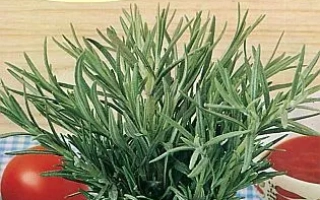
Rosemary 'Biryusa' is an evergreen shrub from the Lamiaceae family, known for its aromatic properties and high resistance to climatic conditions. The plant features straight, densely foliated stems, linear leaves with a glossy upper surface, and small light blue-purple flowers clustered in the axils of upper leaves. Blooming occurs from March to May, and sometimes repeats in autumn (September-Octo…
Medicinal Plants
Rosemary
Assignment
Culinary, Medicinal, Decorative
Aromaticity
Strong aroma
Registration year
2015
Description
Rosemary 'Biryusa' is an evergreen shrub from the Lamiaceae family, known for its aromatic properties and high resistance to climatic conditions. The plant features straight, densely foliated stems, linear leaves with a glossy upper surface, and small light blue-purple flowers clustered in the axils of upper leaves. Blooming occurs from March to May, and sometimes repeats in autumn (September-October).\n\n'Biryusa' is characterized by good drought tolerance and requires bright sunlight, although it is sensitive to frost. In temperate zones, the plant is usually grown in pots or tubs and placed in unheated, light areas for winter. Seeds can be sown for seedlings in March-April; seedlings appear gradually over two months, after which the seedlings are transplanted into open ground at the end of May-beginning of June. Leaves and young shoots can be harvested starting from July-August.\n\nIn cooking, 'Biryusa' is used as a seasoning: a small amount of aromatic leaves is added to fruit salads, hot vegetable and meat dishes, and brewed into tea. Due to its high content of essential oils, the plant is valued not only as a decorative element of the garden but also as a medicinal agent used in folk medicine and aromatherapy. Its resistance to diseases and pests makes it easy to grow both in a garden and at home on a windowsill.
Specifications
| Medicinal Plants | |
|---|---|
| Assignment | |
| Aromaticity | |
| Registration year | 2015 |
| Catalog | Catalog → Rosemary |
| Legal data |
Show · 8
|
| Country | Russia |
Not yet комментариев. Be the first!




See also
Often considered together with this variety





Recently viewed
Products you’ve viewed on this site
Reviews · 0