


SKU #73371
·
64 views
DOCTOR
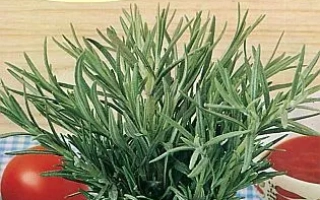
Rosemary
User rating
0 votes0% positive reviews
No ratings yet — be the first.
Medicinal Plants
Rosemary
Registration year
2010
About product

Rosemary essential oil (Rosmarinus officinalis) is a concentrated product obtained from the coniferous leaves of the plant. It consists of 100% essential oil, rich in carvone, camphor, and other biologically active compounds. Thanks to these components, the oil has a powerful stimulating effect on the immune system, improves the digestive system, and aids in bile excretion.In aromatherapy, rosemar…
Medicinal Plants
Rosemary
Registration year
2010
Description
Rosemary essential oil (Rosmarinus officinalis) is a concentrated product obtained from the coniferous leaves of the plant. It consists of 100% essential oil, rich in carvone, camphor, and other biologically active compounds. Thanks to these components, the oil has a powerful stimulating effect on the immune system, improves the digestive system, and aids in bile excretion.
In aromatherapy, rosemary is used in aroma lamps (3–5 drops), aroma pendants (1–3 drops), and for baths (3–5 drops, dissolved in an emulsifier). For massages, one drop per 10 g of base is sufficient. The oil increases blood circulation, improves the tone of the heart muscle, and stimulates neural cells of the brain, which contributes to improved memory.
Natural rosemary extract containing essential oil, trace elements, and vitamins is used in balneological procedures. When taking baths (100–150 g of extract per 200 L of water at a temperature of 35–37 °C), the remedy helps with respiratory diseases, colds, nervous disorders, and also improves the condition of the skin and joints. The extract has antimicrobial, anti-edematous, and wound-healing properties, making it effective in the treatment of rheumatic pain, arthritis, gout, and neuralgia.
For local application, the extract is applied to a gauze pad, heated to 45 °C, and placed on the affected area for 15–20 minutes. The course usually consists of 2–3 procedures per day, maximum 20 sessions. If a balneoreaction occurs, the procedure should be discontinued.
Thus, rosemary is a universal remedy for strengthening immunity, improving blood circulation, relieving muscle and nerve tension, and supporting the health of skin and joints.
In aromatherapy, rosemary is used in aroma lamps (3–5 drops), aroma pendants (1–3 drops), and for baths (3–5 drops, dissolved in an emulsifier). For massages, one drop per 10 g of base is sufficient. The oil increases blood circulation, improves the tone of the heart muscle, and stimulates neural cells of the brain, which contributes to improved memory.
Natural rosemary extract containing essential oil, trace elements, and vitamins is used in balneological procedures. When taking baths (100–150 g of extract per 200 L of water at a temperature of 35–37 °C), the remedy helps with respiratory diseases, colds, nervous disorders, and also improves the condition of the skin and joints. The extract has antimicrobial, anti-edematous, and wound-healing properties, making it effective in the treatment of rheumatic pain, arthritis, gout, and neuralgia.
For local application, the extract is applied to a gauze pad, heated to 45 °C, and placed on the affected area for 15–20 minutes. The course usually consists of 2–3 procedures per day, maximum 20 sessions. If a balneoreaction occurs, the procedure should be discontinued.
Thus, rosemary is a universal remedy for strengthening immunity, improving blood circulation, relieving muscle and nerve tension, and supporting the health of skin and joints.
Specifications
| Medicinal Plants | |
|---|---|
| Registration year | 2010 |
| Catalog | Catalog → Rosemary |
| Legal data |
Show · 2
|
| Country | Russia |
Store offers
Prices are updated on loadLoading offers…
Aggregator catalog: prices are collected automatically from store websites, normalized by AI and converted at the current exchange rate. Before ordering, confirm the price and availability on the store's website. This block is not indexed by search engines — the data is loaded after the page opens.
Not yet комментариев. Be the first!


See also
Often considered together with this variety





Recently viewed
Products you’ve viewed on this site
Reviews · 0