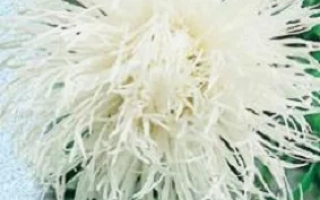
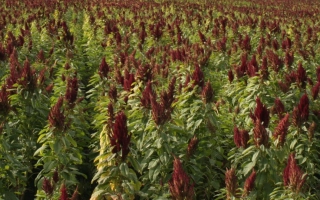
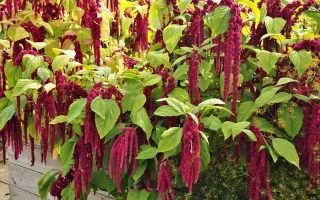
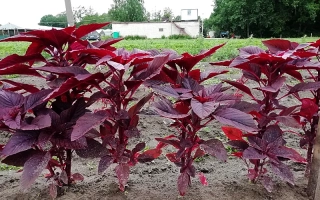
Amaranth is a plant seed widely used in the food industry due to its high content of plant protein and beneficial substances. It can be used as a grain, sprouted, or processed into amaranth flour and oil. When boiled, the grains form airy capsules that pleasantly crunch when chewed, while the light fishy aroma is due to the presence of omega-3 fatty acids. White amaranth is the most common and optimal for flour preparation.
This product has high nutritional value: 100 grams contain about 13.6 grams of protein, 7 grams of fat, and 58.6 grams of carbohydrates, providing an energy value of about 367 kilocalories. Thanks to its high fiber content, amaranth helps normalize the digestive system and detoxify the intestine. It helps reduce excess cholesterol levels and improves blood circulation, while vitamin K in the composition regulates blood coagulation.
Amaranth is an environmentally friendly product grown on its own fields, which guarantees its quality and safety. It is especially useful for athletes, children, and vegetarians, providing the body with necessary nutrients. Thanks to its unique properties and variety of application methods, amaranth becomes a valuable component of a healthy and balanced diet.