

Reference · Diseases
Fungal diseases
Powdery mildew is a common fungal disease affecting a wide range of plants, caused by various species of fungi within the order Erysiphales. These fungi are obligate parasites, meaning they must live on a host plant to survive, extracting nutrients via specialized structures called haustoria that penetrate the epidermal cells.
9 655
items
What the section contains
Giant kelp
Macrocystis pyrifera
 Giant Polypore
Meripilus giganteus
Giant Polypore
Meripilus giganteus
 Giant puffball
Calvatia gigantea
Gibbera
Gibbera
Giant puffball
Calvatia gigantea
Gibbera
Gibbera
 Gibellina
Gibellina
Gibellina
 Gibellina stalk rot
Gibellina cerealis
Gibellula
Gibellula
Gibellina stalk rot
Gibellina cerealis
Gibellula
Gibellula
 Gibellula pulchra
Gibellulopsis
Gibellulopsis
Gibellulopsis nigrescens
Gibellulopsis nigrescens
Gigaspermataceae
Gigaspermataceae
Gigaspermy
Gigasperma
Gigaspora
Gigaspora
Gibellula pulchra
Gibellula pulchra
Gibellulopsis
Gibellulopsis
Gibellulopsis nigrescens
Gibellulopsis nigrescens
Gigaspermataceae
Gigaspermataceae
Gigaspermy
Gigasperma
Gigaspora
Gigaspora
 Gigaspora gigantea
Gigaspora gigantea
Gigaspora gigantea
 Gigaspora heterogama
Gigaspora margarita
Gigaspora margarita
Gigasporaceae
Gigasporaceae
Gigasporosis
Gigasperma cryptica
Gilbertella rot
Gilbertella
Gigaspora heterogama
Gigaspora heterogama
Gigaspora margarita
Gigaspora margarita
Gigasporaceae
Gigasporaceae
Gigasporosis
Gigasperma cryptica
Gilbertella rot
Gilbertella
 Ginger anthracnose
Colletotrichum okinawense
Ginger anthracnose
Colletotrichum okinawense
 Ginger Cercospora leaf spot
Pseudocercospora zingiberis
Ginger Cercospora leaf spot
Pseudocercospora zingiberis
 Ginger cort
Cortinarius zinziberatus
Ginger cort
Cortinarius zinziberatus
 Ginseng Alternaria blight
Alternaria panax
Ginseng Alternaria blight
Alternaria panax
 Ginseng anthracnose
Colletotrichum panacicola
Ginseng anthracnose
Colletotrichum liaoningense
Ginseng anthracnose
Colletotrichum quinquefoliae
Ginseng anthracnose
Colletotrichum panacicola
Ginseng anthracnose
Colletotrichum liaoningense
Ginseng anthracnose
Colletotrichum quinquefoliae
 Girdled knight
Tricholoma cingulatum
Girdled knight
Tricholoma cingulatum
 Girdled webcap
Cortinarius trivialis
Gjaerumia disease
Gjaerumia
Girdled webcap
Cortinarius trivialis
Gjaerumia disease
Gjaerumia
 Gjaerumia ossifragi
Gjaerumiaceae
Gjaerumiaceae
Gladiolus rust
Puccinia gladioli
Gjaerumia ossifragi
Gjaerumia ossifragi
Gjaerumiaceae
Gjaerumiaceae
Gladiolus rust
Puccinia gladioli
 Gladiolus rust
Uromyces gladioli
Gladiolus rust
Uromyces transversalis
Gladiolus rust
Uredo gladioli-buettneri
Gladiolus rust
Uromyces gladioli
Gladiolus rust
Uromyces transversalis
Gladiolus rust
Uredo gladioli-buettneri
 Gladiolus smut
Urocystis gladiolicola
Glaziella
Glaziella
Glaziella vesiculosa
Glaziella vesiculosa
Gladiolus smut
Urocystis gladiolicola
Glaziella
Glaziella
Glaziella vesiculosa
Glaziella vesiculosa
 Glaziellaceae
Glenodinium
Glenodinium
Glenodinium cinctum
Glenodinium cinctum
Glenosporosis
Glenospora
Glenosporosis
Glenospora graphii
Gliocephalotrichosis
Gliocephalotrichum bulbilium
Gliocephalotrichosis
Gliocephalotrichum mexicanum
Gliocephalotrichum disease
Gliocephalotrichum
Gliocephalotrichum fruit rot
Gliocephalotrichum nephelii
Gliocephalotrichum rot
Gliocephalotrichum simmonsii
Gliocephalotrichum rot
Gliocephalotrichum simplex
Gliomastix
Gliomastix
Gliomastix murorum
Gliomastix murorum
Glaziellaceae
Glaziellaceae
Glenodinium
Glenodinium
Glenodinium cinctum
Glenodinium cinctum
Glenosporosis
Glenospora
Glenosporosis
Glenospora graphii
Gliocephalotrichosis
Gliocephalotrichum bulbilium
Gliocephalotrichosis
Gliocephalotrichum mexicanum
Gliocephalotrichum disease
Gliocephalotrichum
Gliocephalotrichum fruit rot
Gliocephalotrichum nephelii
Gliocephalotrichum rot
Gliocephalotrichum simmonsii
Gliocephalotrichum rot
Gliocephalotrichum simplex
Gliomastix
Gliomastix
Gliomastix murorum
Gliomastix murorum
 Gloeocystidiellum
Gloeocystidiellum
Gloeocystidiellum
 Gloeocystidiellum porosum
Gloeodiniosis
Gloeodiniaceae
Gloeocystidiellum porosum
Gloeocystidiellum porosum
Gloeodiniosis
Gloeodiniaceae
 Gloeodinium
Gloeodinium montanum
Gloeodinium montanum
Gloeoheppia
Gloeoheppia
Gloeodinium
Gloeodinium
Gloeodinium montanum
Gloeodinium montanum
Gloeoheppia
Gloeoheppia
 Gloeoheppia turgida
Gloeoheppiaceae
Gloeoheppiaceae
Gloeoheppia turgida
Gloeoheppia turgida
Gloeoheppiaceae
Gloeoheppiaceae
 Gloeophyllaceous fungi
Gloeophyllaceae
Gloeophyllaceous fungi
Gloeophyllaceae
Giant Polypore
Meripilus giganteus
Giant puffball
Calvatia gigantea
Gibbera
Gibbera
Gibellina
Gibellina
Gibellina stalk rot
Gibellina cerealis
Gibellula
Gibellula
Gibellula pulchra
Gibellula pulchra
Gibellulopsis
Gibellulopsis
Gibellulopsis nigrescens
Gibellulopsis nigrescens
Gigaspermataceae
Gigaspermataceae
Gigaspermy
Gigasperma
Gigaspora
Gigaspora
Gigaspora gigantea
Gigaspora gigantea
Gigaspora heterogama
Gigaspora heterogama
Gigaspora margarita
Gigaspora margarita
Gigasporaceae
Gigasporaceae
Gigasporosis
Gigasperma cryptica
Gilbertella rot
Gilbertella
Ginger anthracnose
Colletotrichum okinawense
Ginger Cercospora leaf spot
Pseudocercospora zingiberis
Ginger cort
Cortinarius zinziberatus
Ginseng Alternaria blight
Alternaria panax
Ginseng anthracnose
Colletotrichum panacicola
Ginseng anthracnose
Colletotrichum liaoningense
Ginseng anthracnose
Colletotrichum quinquefoliae
Girdled knight
Tricholoma cingulatum
Girdled webcap
Cortinarius trivialis
Gjaerumia disease
Gjaerumia
Gjaerumia ossifragi
Gjaerumia ossifragi
Gjaerumiaceae
Gjaerumiaceae
Gladiolus rust
Puccinia gladioli
Gladiolus rust
Uromyces gladioli
Gladiolus rust
Uromyces transversalis
Gladiolus rust
Uredo gladioli-buettneri
Gladiolus smut
Urocystis gladiolicola
Glaziella
Glaziella
Glaziella vesiculosa
Glaziella vesiculosa
Glaziellaceae
Glaziellaceae
Glenodinium
Glenodinium
Glenodinium cinctum
Glenodinium cinctum
Glenosporosis
Glenospora
Glenosporosis
Glenospora graphii
Gliocephalotrichosis
Gliocephalotrichum bulbilium
Gliocephalotrichosis
Gliocephalotrichum mexicanum
Gliocephalotrichum disease
Gliocephalotrichum
Gliocephalotrichum fruit rot
Gliocephalotrichum nephelii
Gliocephalotrichum rot
Gliocephalotrichum simmonsii
Gliocephalotrichum rot
Gliocephalotrichum simplex
Gliomastix
Gliomastix
Gliomastix murorum
Gliomastix murorum
Gloeocystidiellum
Gloeocystidiellum
Gloeocystidiellum porosum
Gloeocystidiellum porosum
Gloeodiniosis
Gloeodiniaceae
Gloeodinium
Gloeodinium
Gloeodinium montanum
Gloeodinium montanum
Gloeoheppia
Gloeoheppia
Gloeoheppia turgida
Gloeoheppia turgida
Gloeoheppiaceae
Gloeoheppiaceae
Gloeophyllaceous fungi
Gloeophyllaceae
Marketplace
Products in this section · 12

Fungal diseases
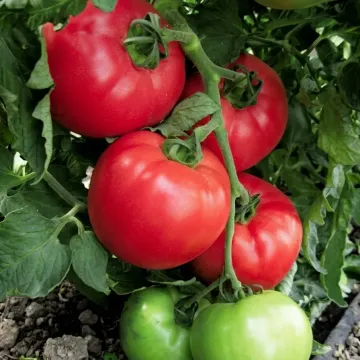
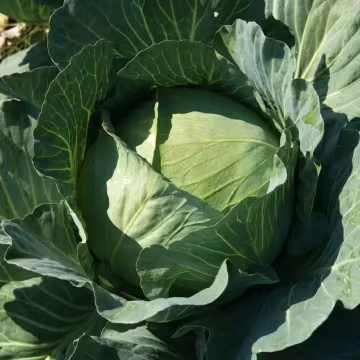
The disease attacks a vast array of crops, including cereals, vegetables, fruit trees, and ornamental plants. Crops like cucumbers, grapes, roses, and apples are particularly susceptible, making powdery mildew one of the most frequently encountered challenges in both commercial agriculture and home gardening.
The most recognizable symptom is the development of a white or grayish, powdery-looking fungal growth on the surface of leaves, stems, and flowers. As the infection progresses, the powdery spots expand and merge. Heavily infested tissues may become yellowed, distorted, stunted, or develop necrotic spots, eventually leading to leaf drop.
The fungus thrives in conditions of high humidity (without direct moisture on leaves) and moderate temperatures, typically between 18°C and 25°C. Poor air circulation caused by overcrowding, as well as excessive nitrogen fertilization which promotes lush but tender new growth, significantly increase the plant's susceptibility to the pathogen.
The economic impact of powdery mildew is severe, as the disease reduces the plant's photosynthetic capacity, leading to reduced vigor and diminished crop yields. In commercial fruit and vegetable production, the cosmetic damage caused by the fungus often renders the produce unmarketable, leading to substantial financial losses.
Effective management and prevention strategies include:
- Selecting plant varieties with documented resistance to powdery mildew.
- Maintaining proper spacing between plants to improve airflow and reduce humidity around the foliage.
- Pruning and removing infected plant parts to limit the source of inoculum.
- Applying a balanced fertilizer regime to avoid excessive nitrogen stimulation.
- Using preventative or curative fungicides, such as sulfur-based products, potassium bicarbonate, or systemic triazoles.