
Gigaspora gigantea
Gigaspora gigantea
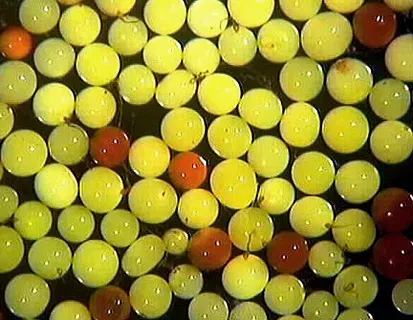
Description
Symptoms
There are no negative symptoms associated with this fungus; rather, plants exhibit enhanced growth and vigor compared to non-colonized plants.
Direct identification of the fungus requires specialized laboratory staining of root samples to visualize the internal arbuscular structures.
Soil analysis involves wet-sieving techniques to extract and identify the large, distinct spores of Gigaspora gigantea.
Visually, the presence of these fungi often correlates with more robust root systems and improved resilience to environmental stresses.
In field conditions, the positive impact of the fungus is often reflected in better crop performance during periods of nutrient deficiency.
Pathogen
Gigaspora gigantea is not a plant pathogen but a beneficial arbuscular mycorrhizal fungus (AMF) that creates a symbiotic relationship with plant roots.
The fungus belongs to the Gigasporaceae family and facilitates the transport of nutrients, especially phosphorus, from the soil to the plant.
It is classified as an obligate symbiont, meaning it requires a living plant host to complete its lifecycle and produce its characteristic large spores.
This fungus is highly valued in modern agriculture for its contribution to sustainable soil management and plant health improvement.
It colonizes the root cortex by forming specialized, highly branched structures called arbuscules, which serve as the primary site for nutrient exchange.
Conditions for development
The fungus thrives in well-drained soils and is particularly active in environments where soil structure remains undisturbed by heavy tillage.
The presence of a host plant is essential, as the fungus depends entirely on root exudates for its carbon supply and developmental signals.
Soil pH levels that are near neutral or slightly acidic are generally optimal for the germination of its spores and subsequent root colonization.
Excessive phosphorus fertilization can reduce the fungal colonization rate, as plants prioritize direct uptake over the symbiotic partnership.
Intensive pesticide application, particularly fungicides, can negatively impact the fungal network and reduce its population in the agricultural soil.
Why it matters
This fungus causes no harm to crops; it is fundamentally beneficial for maintaining soil fertility and plant physiological health.
Some confusion may arise if farmers misidentify the large spores as pathogenic entities, but these are purely signs of a biologically active soil.
The energy cost to the host plant to support the fungal symbiont is negligible compared to the nutritional benefits received in return.
There is no economic damage caused by Gigaspora gigantea to any known agricultural crops, including cereals, legumes, or horticultural plants.
Environmental degradation, such as soil compaction or loss of organic matter, is the primary threat to the presence of these beneficial fungi.
Protection
No control measures are needed against Gigaspora gigantea, as the goal of modern agronomy is to foster its growth and activity.
Sustainable practices such as conservation tillage or no-till farming help protect the fragile mycelial networks from physical destruction.
Farmers can promote colonization by using crop rotations that favor mycorrhizal fungi and avoiding unnecessary chemical treatments.
In cases of degraded soils, bio-inoculants containing arbuscular mycorrhizal spores can be used to re-establish a healthy microbial community.
Integrated pest management strategies should aim to minimize the impact of chemical inputs on beneficial soil microflora to maintain high yields.
Discussion
No discussions yet — be the first.