
Gloeocystidiellum porosum
Gloeocystidiellum porosum
Description
Symptoms
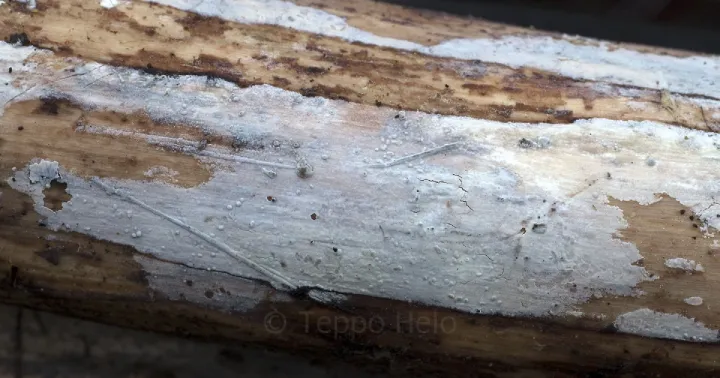
The most visible signs are the appearance of white to yellowish, leathery crusts or patches on the bark of trunks and main branches. These fruiting bodies can grow to cover substantial surface areas.
Upon close inspection, the fruiting body shows a characteristic porous texture, which is a key identifying feature. Over time, the color may shift to a brownish or ochre tone as the structure ages.
Internally, the wood affected by the fungus becomes softened and brittle. It often shows a bleached, fibrous appearance, which is a classic symptom of white rot fungi destroying the woody tissue.
External symptoms in the canopy include premature leaf drop, dieback of branch tips, and an overall lack of vigor. In severe cases, large hollows or cavities form inside the tree.
The bark in the infected area may eventually crack or peel away, revealing the damaged wood underneath. This exposes the heartwood to further environmental degradation.
Pathogen
Gloeocystidiellum porosum is a wood-decaying fungus belonging to the order Russulales. It primarily acts as a saprotroph, but under certain conditions, it can become a facultative parasite that colonizes weakened or damaged wood.
The pathogen is known for causing white rot. It secretes enzymes that break down lignin and cellulose within the wood cells, leading to a significant loss of structural integrity in the tree trunk or branches.
Biological characteristics include the formation of effused (spread out) fruiting bodies on the bark. These structures appear waxy or leathery and are often tightly attached to the substrate.
The fungus is commonly found on various broad-leaved trees, including species like oak, alder, birch, and apple. It thrives in neglected environments where deadwood is not promptly removed.
Gloeocystidiellum porosum reproduces via spores released from the pore-like surfaces of its fruiting bodies. These spores can travel long distances on the wind, spreading the infection throughout an orchard or forest area.
Conditions for development
High humidity and moisture are the primary drivers of fungal growth. The fungus thrives in damp areas where air circulation is restricted, such as in dense, unpruned tree canopies.
Wounds in the tree bark are essential for infection. Fresh pruning cuts, mechanical damage from garden tools, or frost-cracked bark provide the perfect entry point for fungal spores to germinate.
Optimal growth temperatures for the mycelium range from +18°C to +25°C. However, the fungus is hardy enough to survive dormant throughout the winter months within the protective layers of the bark.
Poor orchard management, including leaving deadwood, stumps, or prunings on the ground, significantly increases the spore load in the immediate environment.
Trees stressed by drought, poor soil nutrition, or inadequate watering regimes are significantly more susceptible to colonization compared to healthy, well-maintained specimens.
Why it matters
The primary damage is structural. By destroying the internal wood fibers, the fungus significantly reduces the tree's mechanical strength, making it prone to breaking during high winds or heavy snow.
As the conductive tissues (xylem) are compromised, the tree struggles to transport water and nutrients, which ultimately results in reduced fruit quality, decreased yields, and branch dieback.
The longevity of the tree is drastically reduced. If the infection is not managed, the internal rot may progress until the tree is no longer viable and must be removed.
The pathogen acts as a persistent source of infection. The fruiting bodies release millions of spores that can easily spread to neighboring healthy trees, creating a widespread health issue in the orchard.
Economic impact includes the costs of tree surgery, the loss of mature productive trees, and the need for frequent application of protective treatments to stop the spread of the pathogen.
Protection
Good horticultural practice is the first line of defense. This includes regular sanitary pruning to remove dead or diseased branches, followed by the application of antiseptic wound sealants.
Whitewashing trunks with lime-based mixtures in early spring and autumn helps protect the bark from physical damage and provides a barrier against spore settlement.
All infected wood, including stumps and branches, should be removed from the site and destroyed (burned or deeply buried) to eliminate the source of the fungal inoculum.
Applying copper-based fungicides during the dormant season or early spring can help reduce the spore population and prevent the colonization of fresh pruning wounds.
Maintain tree health through balanced fertilization and correct irrigation. A vigorous tree is more capable of compartmentalizing small infections and limiting the spread of wood-decay fungi.
Discussion
No discussions yet — be the first.