
Gladiolus smut
Urocystis gladiolicola
Description
Symptoms
Initial symptoms are characterized by small, dark, sunken spots on the outer scales and surface of the gladiolus corms.
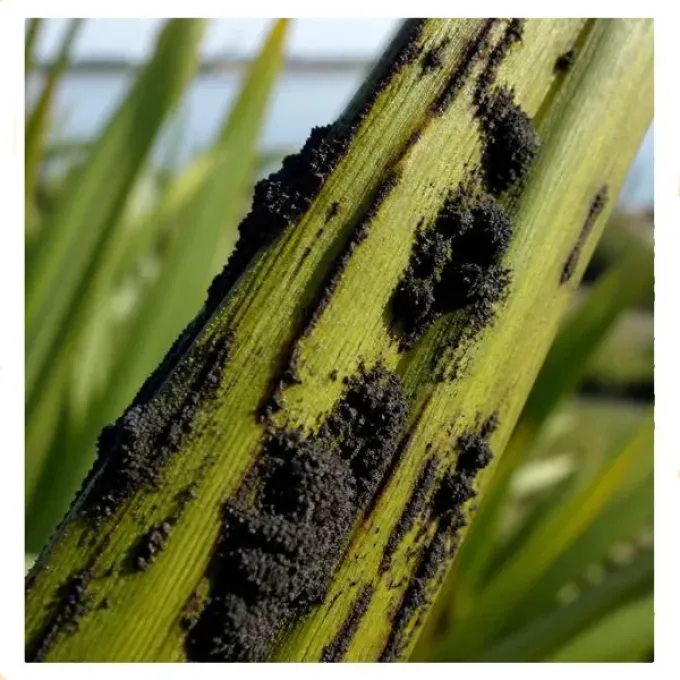
When infected tissues are cut, they reveal internal cavities filled with a dark, soot-like powder of fungal spores.
Above-ground parts of the plant often exhibit yellowing and premature drying of the leaves, starting from the tip downwards.
Affected plants demonstrate stunted growth and a poorly developed, fragile root system that lacks vigor and stability.
- Dark, sunken spots on the corms.
- Presence of black, powdery spore masses.
- Premature yellowing and wilt of foliage.
Pathogen
The disease is caused by the fungus Urocystis gladiolicola, which is classified as a smut fungus affecting members of the Iridaceae family.
The pathogen primarily survives in infested soil and decaying plant debris, remaining dormant for several years until favorable conditions arrive.
The fungus produces teliospores that act as the main source of primary infection when they come into contact with the root zone of healthy gladioli.
It is predominantly transmitted through infected corm materials, making careful selection of planting stock the first line of defense.
The fungal mycelium can invade the plant tissues systematically, often starting from the basal plate of the corm before spreading upwards.
Conditions for development
The development of Urocystis gladiolicola is highly dependent on high soil moisture levels and moderate temperatures during the growing season.
Overcrowded planting beds create a humid microclimate that significantly facilitates the germination and spread of fungal spores.
Water-logged, heavy clay soils are particularly susceptible to this disease as they retain moisture needed by the pathogen for reproduction.
The use of non-sterilized garden tools during digging or maintenance is a frequent cause of spreading the disease across a garden plot.
Periods of prolonged rain followed by warmth provide the most dangerous conditions for the rapid multiplication of the smut fungus.
Why it matters
The main impact of gladiolus smut is the total destruction of corm quality, rendering the harvested material unusable for future planting.
The disease can lead to significant crop failure, as infected plants often die before reaching the flowering stage, causing aesthetic and financial losses.
Once introduced into a garden, the pathogen can persist in the soil for several seasons, making it difficult to rotate crops successfully.
Storage of infected corms leads to secondary decay, where the smut can destroy a significant portion of the stored inventory in a short period.
The inability to market or replant infected stock represents a severe challenge for professional bulb growers and hobbyists alike.
Protection
Strict sanitation practices, including the removal and destruction of symptomatic plants, are essential to halt the spread of the infection.
Chemical control involving systemic fungicide treatments applied to corms before planting is a standard practice for disease prevention.
Crop rotation protocols should be strictly followed, ensuring that gladioli are not replanted in the same soil for at least four to five years.
Proper curing of corms after harvest, using adequate ventilation and heat, helps reduce the risk of storage-related rot outbreaks.
Regular sterilization of all tools used in the garden helps maintain a clean environment and prevents cross-contamination of healthy plants.
Discussion
No discussions yet — be the first.