
Ginger cort
Cortinarius zinziberatus
Description
Symptoms
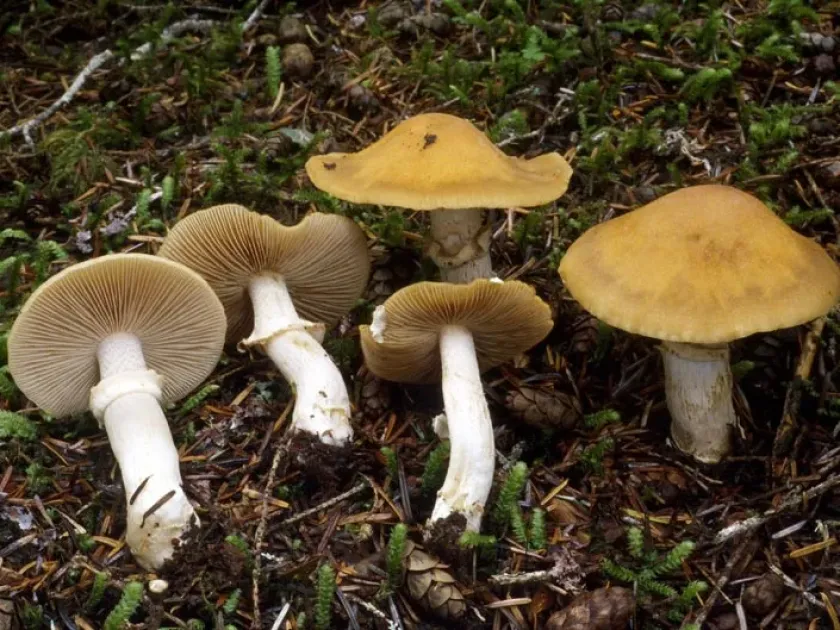
The cap of the fungus typically measures between 3 and 8 centimeters in diameter and displays a distinctive ginger or brownish-orange coloration.
In wet weather conditions, the cap surface becomes viscid or sticky, which serves as a primary diagnostic feature for mycologists identifying the specimen.
The gills are attached to the stem and change color from a pale shade in younger specimens to a rusty-brown as the spores mature and deposit.
The stem often features a bulbous base and visible traces of the cobweb-like partial veil, which is a common characteristic of the Cortinarius genus.
The internal tissue is firm and typically lacks a strong odor; it shows no signs of tissue necrosis or parasitic infection on host plants.
Pathogen
Ginger cort (lat. Cortinarius zinziberatus) is a species of fungus in the Cortinariaceae family. It is crucial to clarify that this organism is not a plant pathogen and does not cause diseases in agricultural crops.
This fungus is a mycorrhizal species, forming symbiotic relationships with tree roots in forest ecosystems, which is beneficial for forest health rather than harmful to farming.
The mycelium resides in the soil and leaf litter, playing a vital role in nutrient cycling and organic matter decomposition within woodland habitats.
From an agronomic perspective, there is no need for control measures, as this fungus does not interfere with the cultivation of vegetables, grains, or other produce.
The study of this species falls under the domain of mycology and forest ecology, where it is valued for its contribution to soil structure and biodiversity.
Conditions for development
Cortinarius zinziberatus thrives in moist forest environments, particularly those with significant organic litter layers that facilitate mycorrhizal development.
The primary growth period occurs during late summer and autumn when temperature levels are moderate and humidity is consistently high.
This species is highly dependent on symbiotic host trees and is rarely found in open agricultural fields, as it requires stable woodland microclimates.
It favors slightly acidic soils where the specific nutrient profile supports the growth of fungal colonies without the need for additional inputs.
Environmental fluctuations such as extreme heat or prolonged drought can significantly inhibit the appearance of fruiting bodies in the forest floor.
Discussion
No discussions yet — be the first.