
Heuchera pulchella
Heuchera pulchella
Heuchera pulchella, commonly known as the beautiful alumroot, is a miniature perennial species belonging to the Saxifragaceae family. This plant is native to specific mountainous regions in New Mexico, where it thrives in cliff crevices and rocky environments.
What the section contains
Heuchera pulchella
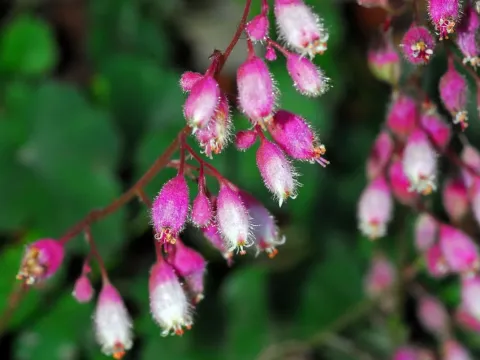
Botanically, it is distinguished by its small, compact rosettes of scalloped, leathery leaves. The plant produces delicate, bell-shaped flowers in shades of pink or red, which are significantly smaller and more refined compared to common garden varieties.
Cultivation requires conditions that mimic its natural habitat. The soil must be exceptionally well-drained, porous, and slightly alkaline or neutral. Planting in heavy clay soil often leads to root suffocation, which is the primary cause of failure in this species.
Ideal placement for this plant includes rock gardens, troughs, or containers where drainage is easily controlled. It prefers cool, partially shaded sites, avoiding the harsh direct midday sun that can scorch the delicate foliage of the plant.
Agrotechnical maintenance focuses on light watering and careful site selection. During the winter, providing light frost protection or ensuring the plant is kept dry in dormancy helps prevent damage caused by excessive soil moisture and freezing temperatures.
The primary biological threat to Heuchera pulchella is root rot caused by stagnant water or pathogens in the soil. Proper site selection and adding grit to the planting mix are essential strategies for mitigating these risks.
Pest issues often involve vine weevil larvae, which target the roots and can cause the plant to decline rapidly. Additionally, powdery mildew may develop during periods of high humidity and poor air circulation, necessitating improved spacing and adequate airflow around the foliage.