
Greek saxifrage
Saxifraga graeca
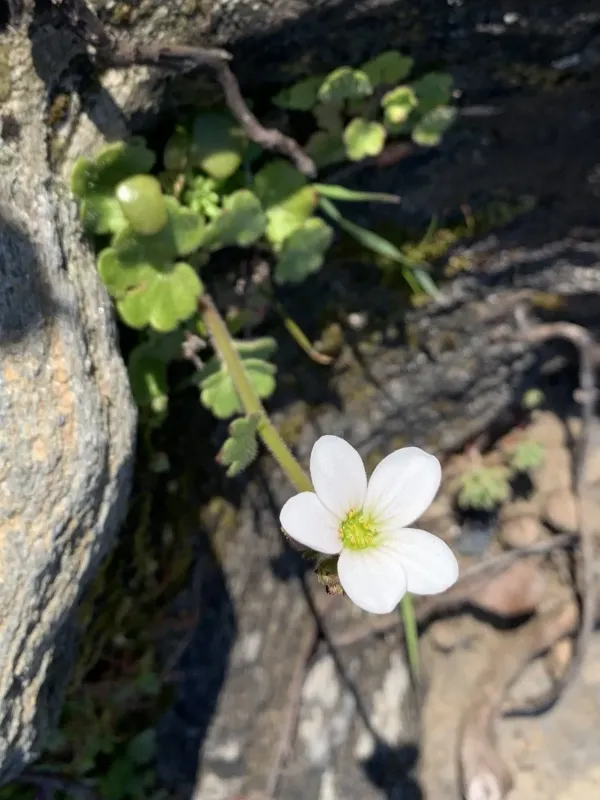
Description
Sowing dates
Sowing Greek saxifrage is typically performed in late winter or early spring to allow the plant time to establish before the peak of the growing season. The seeds require a period of stratification, so outdoor sowing in autumn is often recommended to simulate natural environmental cues for germination.
When starting indoors, seeds should be sown in a light, well-draining substrate without covering them too deeply. Light is a critical factor for successful germination, so the seeds should just be pressed gently into the surface of the soil.
The optimal temperature for germination ranges between 15 and 20 degrees Celsius, provided that humidity levels remain consistent throughout the process. Seedlings generally emerge within three to four weeks, depending on the freshness of the seed and environmental stability.
After the first true leaves appear, the seedlings should be pricked out into individual pots to provide adequate space for root development. This careful handling helps prevent root disturbance during the final transplanting stage into the garden.
Transplanting to the permanent location should be done once the threat of late frosts has passed. It is advisable to harden off the young plants gradually to acclimate them to outdoor conditions, ensuring their long-term survival in the rock garden.
Growing requirements
Greek saxifrage, a member of the Saxifragaceae family, is a herbaceous perennial adapted to life in rugged, mountainous terrains. Its natural range is focused on the mountains of Greece and the Balkan Peninsula, reflecting its preference for cool, airy conditions.
The plant thrives in well-draining, calcareous soils with a neutral to slightly alkaline pH. Heavy clay soils are generally unsuitable as they retain excess moisture, which significantly increases the risk of crown and root rot in the plant's delicate rosettes.
Regarding light, this species prefers bright but indirect light or light shade during the hottest parts of the day. Exposure to harsh, direct sunlight in arid conditions can lead to leaf scorching, so north or east-facing aspects of rockeries are often ideal.
Watering should be managed carefully; the goal is to keep the soil consistently moist but never waterlogged. It is crucial to avoid getting water into the center of the rosette, as trapped moisture acts as a catalyst for fungal infections.
Greek saxifrage is relatively hardy against low temperatures but is highly sensitive to winter wetness. Providing excellent drainage is the most effective way to ensure the plant survives the winter months and returns with renewed vigor in the spring.
Main diseases and pests
Fungal diseases, often triggered by poor ventilation and excess moisture, represent the most significant threat to the health of Greek saxifrage. Root rots and powdery mildew are common issues that require prompt attention if they appear on the foliage or in the root zone.
Pests like spider mites may become problematic during hot, dry spells. They feed on the sap of the leaves, causing discoloration and a decline in the plant's aesthetic appeal, necessitating regular monitoring during the peak summer months.
Snails and slugs can cause severe damage to young rosettes by grazing on the succulent leaves. Implementing protective barriers, such as copper tape or specialized slug pellets, is recommended to preserve the integrity of the plant during its active growth phase.
Preventive care involves regular maintenance, such as removing dead foliage to improve air circulation around the base of the plant. A clean, debris-free environment significantly lowers the risk of pathogen accumulation and subsequent infection.
- Ensuring high-quality soil drainage.
- Providing adequate space for airflow.
- Regular inspection for pest activity.
- Using fungicides at the first sign of disease.
- Monitoring moisture levels in the crown area.