
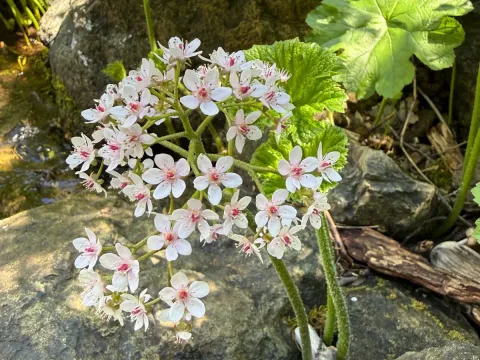
Indian rhubarb
Darmera peltata
Propagation of Darmera peltata is typically achieved through seed germination in autumn or by dividing the robust, creeping rhizomes during the dormant season.
What the section contains
Indian rhubarb
Seeds require a period of cold stratification; they should be sown in moist soil and kept in cold frames or a refrigerator for approximately 4 to 6 weeks to break dormancy.
When sowing in containers, ensure the seeds are barely covered with soil, as they require light to germinate effectively and should be kept moist throughout the process.
Vegetative division is the preferred method for maintaining genetic uniformity and achieving a mature, flowering plant in the garden much faster than from seeds.
Carefully lifting the rhizome clump in early spring and slicing it into sections, each containing at least one healthy growth eye, will result in rapid establishment when transplanted into rich, moist soil.
Darmera peltata is a unique member of the Saxifragaceae family, natively found near mountain streams and in humid forest environments of the western United States.
This species thrives in consistently moist, rich, and well-draining soil, making it an excellent candidate for the margins of ponds, damp woodland gardens, or areas with natural springs.
The plant requires sheltered locations with partial shade, as exposure to full sun can scorch the massive, umbrella-like leaves and cause rapid moisture loss.
While the plant is hardy and adaptable to various cold climates, it benefits from a thick layer of organic mulch during winter to protect the rhizomes from excessive freezing.
Adequate space is essential for healthy growth, as mature specimens can spread significantly, with foliage reaching up to one meter in height and diameter under ideal conditions.
Slugs and snails are the most prominent pests of Darmera peltata, often causing significant aesthetic damage to the large, tender foliage throughout the spring and early summer.
Implementing integrated pest management, such as setting beer traps or using iron phosphate baits, is highly recommended to protect the integrity of the foliage during the wet season.
Leaf spots and other fungal pathogens may emerge if the plants are placed in areas with poor airflow, leading to stagnant humidity levels around the base of the plant.
Maintaining proper hygiene by removing fallen leaves and decaying plant tissue reduces the habitat for pests and the potential for fungal spore development.
While generally robust, the plant can occasionally suffer from rot if grown in heavy, waterlogged soil without proper drainage, emphasizing the need for a well-aerated planting site.