
Hispid saxifrage
Saxifraga hispidula
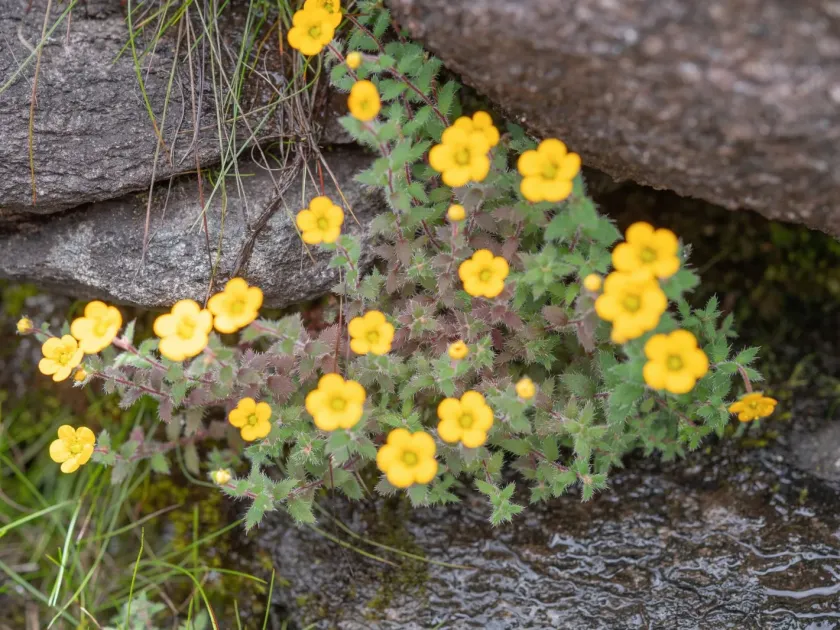
Description
Sowing dates
The hispid saxifrage (Saxifraga hispidula), a member of the Saxifragaceae family, requires careful handling during the sowing process. Seeds should be sown in late winter or early spring in a well-drained, light compost mix.
Since the seeds are extremely small, they should be surface-sown and only lightly pressed into the soil. Cover the container with clear plastic or glass to maintain consistent humidity and keep it at a temperature of approximately +16°C to +18°C.
Once the seedlings have developed a pair of true leaves, they should be pricked out into small pots. Careful handling is necessary to avoid damaging the delicate root system at this early developmental stage.
Hardening off the plants is a crucial step before transplanting them into the open ground. This should be done gradually over two weeks once the danger of severe frost has completely passed.
Propagation by division is also a common method for established clumps. This is best performed immediately after the flowering season to allow the plant time to re-establish its root system before the onset of winter.
Growing requirements
This culture is a classic alpine plant that thrives in cool, temperate climates. It performs best in rock gardens or troughs where its specific environmental needs can be closely managed and maintained.
Soil structure is critical for the success of Saxifraga hispidula. A gritty, mineral-rich substrate with excellent drainage is mandatory to prevent the crown of the plant from rotting in damp conditions.
While some sun is beneficial, the plant prefers light shade during the hottest parts of the day. Exposure to direct, intense sunlight can lead to leaf scorch and dehydration during the summer months.
The soil pH should ideally be neutral or slightly alkaline. Incorporating crushed limestone or grit into the planting site helps create an environment that mimics the plant's natural rocky habitat.
Adequate airflow is another essential requirement. Placing the plants in an area with good air circulation reduces the risk of fungal infections, particularly during periods of high humidity or excessive rain.
Main diseases and pests
Root and crown rot represent the most significant threat to this species. This condition is almost always linked to poor drainage or overly frequent irrigation that keeps the soil consistently soggy.
Aphids often target new, tender growth during the spring. If left untreated, they can weaken the plant and serve as vectors for secondary viral infections, which significantly impair overall health.
Gastropods such as slugs and snails are highly attracted to the succulent-like leaves of the saxifrage. Using protective copper tape or safe molluscicides around the perimeter is a common mitigation strategy.
Fungal leaf spots can develop if the foliage remains wet for extended periods. It is advisable to water the soil directly rather than overhead to keep the leaves dry and healthy.
Spider mites can become a problem in hot and dry environments. Regular inspection and increasing local humidity through misting or improved placement can prevent these pests from settling in.