
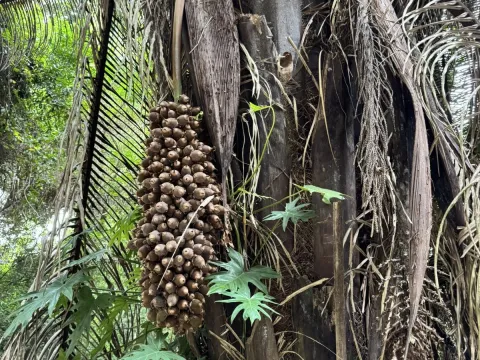
Scheelea
Scheelea
Scheelea is a genus of large tropical palms belonging to the Arecaceae family. These trees are native to the humid tropical forests of Central and South America.
What the section contains
Scheelea
For healthy development, this crop requires consistently high temperatures throughout the year and significant rainfall to maintain growth cycles.
The trees thrive in deep, nutrient-rich soils with excellent drainage. In their native habitat, they are typically found in alluvial plains where soil aeration is adequate.
As a light-demanding species, Scheelea requires significant exposure to direct sunlight, especially during the early stages of establishment and development.
Protection from strong, desiccating winds is essential to prevent mechanical damage to the large, pinnate fronds and to ensure steady vertical growth.
Scheelea is primarily recognized for its oil-rich fruits, which share biological and chemical properties with the commercial oil palm.
The endosperm of the seeds is highly valuable, containing a high concentration of fatty acids suitable for various industrial and nutritional applications.
Yield capacity significantly increases as the palms reach maturity, typically when the canopy has reached its full structural development.
Local communities traditionally utilize these fruits for oil extraction and as a vital source of fodder for livestock, highlighting its agricultural utility.
Beyond the fruit, the wood and durable leaves of the palm are utilized in traditional construction and various handicrafts, adding secondary economic value.
Fungal diseases affecting the root system are among the most significant threats, often triggered by waterlogging and poor soil drainage conditions.
The foliage is frequently attacked by insect pests, including palm weevils and certain species of lepidopteran larvae that can cause defoliation.
Effective management involves maintaining optimal horticultural practices, including proper plant spacing and consistent monitoring of the plantation.
Integrated pest management strategies should be applied to control the spread of infestations through both regular inspection and biological control methods.
Vascular wilt diseases pose a severe threat, capable of killing mature palms rapidly if sanitary measures and field hygiene are not strictly maintained.