
Vitellariopsis
Vitellariopsis
Vitellariopsis is a genus of evergreen trees belonging to the Sapotaceae family. These plants are native to the tropical and subtropical regions of Africa, where they form an essential part of the local forest ecosystems.
What the section contains


Vitellariopsis
The culture thrives in warm, tropical climates that lack frost, as the species is highly sensitive to cold temperatures. Consistent heat and abundant sunlight are crucial for optimal photosynthesis and the vigorous growth of the young canopy.
Soil requirements for this genus include deep, well-draining substrates that are rich in organic matter. Waterlogging is detrimental to these trees, as it promotes root rot, so careful selection of planting sites with appropriate topography is mandatory.
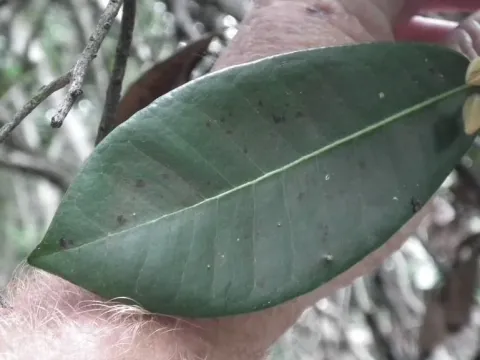
Botanically, Vitellariopsis is characterized by thick, leathery leaves that serve as a defense mechanism against excessive transpiration. The architecture of the tree is typically dense, providing shade and helping to maintain microclimatic conditions beneath the crown.
Agricultural management involves regular pruning to maintain tree shape and ensure airflow, as well as the application of balanced fertilizers to support development. Proper management techniques are key to ensuring longevity and productivity in managed orchards.
The primary economic use of Vitellariopsis is the extraction of oils from its seeds, which are highly valued for their nutritional and chemical properties. Additionally, the wood is utilized in regional industries due to its durability and resistance to wear.