
Madhuca betis
Madhuca betis
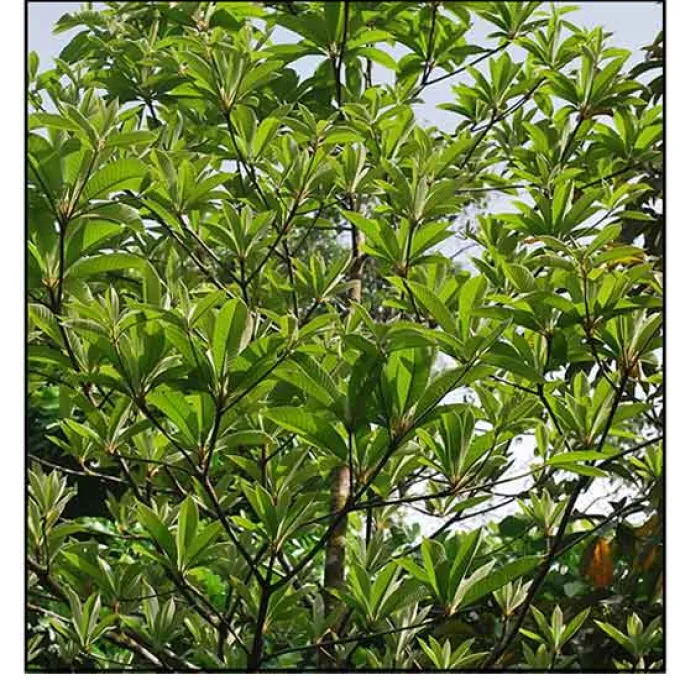
Description
Sowing dates
Propagation of Madhuca betis is typically performed using seeds, which must be collected upon reaching full physiological maturity to ensure high germination rates.
The seeds are sown in nursery beds or individual containers filled with a nutrient-rich, well-draining substrate to facilitate strong root development before outplanting.
Timing the sowing process to coincide with the onset of the rainy season is critical, as it provides the consistent moisture and humidity levels required for early sprout survival.
Care must be taken to maintain an appropriate planting depth, ensuring that the seeds are sufficiently covered but not so deep that they struggle to emerge through the soil surface.
During the nursery phase, seedlings require protective shading from direct sun to prevent desiccation and heat stress, gradually hardening them off before permanent planting.
Growing requirements
Madhuca betis is a prominent member of the Sapotaceae family, characterized as a large, evergreen, long-lived tropical tree native to Southeast Asian rainforests.
The species thrives in humid tropical climates characterized by high rainfall throughout the year, as it does not tolerate prolonged dry seasons or cold spells.
Soil requirements include deep, fertile, and well-drained profiles; while it adapts to various soil textures, it flourishes in alluvial soils common in lowland forest ecosystems.
Optimal growth occurs at temperatures ranging between 22 and 32 degrees Celsius, provided that soil moisture is consistently maintained at adequate levels.
Given its status as a large forest tree, adequate spacing is essential in plantation forestry to allow for proper canopy development and to maximize overall growth efficiency.
Yield
The primary economic output of Madhuca betis consists of its seeds, which are highly valued for the extraction of rich oils used in pharmaceutical and cosmetic industries.
The wood of this species is renowned for its exceptional density, durability, and resistance to environmental degradation, making it a premium material for heavy construction.
Yield productivity is linked to the age of the tree, as Madhuca betis is a slow-growing species, requiring long-term investment and patience to reach harvestable stages.
Strategic harvesting of seeds must be managed to ensure that the ecological balance of the forest area is maintained, promoting sustainable extraction practices.
Post-harvest handling, including drying and storage, is crucial to prevent the deterioration of the oil content within the seeds and to maintain high-quality standards for end-users.
Main diseases and pests
Madhuca betis is susceptible to various fungal pathogens, particularly in areas with poor drainage or high ambient humidity that fosters the spread of root-rot diseases.
Pests such as wood-boring insects present a significant threat to timber quality, as they can weaken the structural integrity of the trunks over long periods of time.
Leaf-feeding insects may affect young seedlings significantly, necessitating consistent monitoring and integrated pest management strategies to protect the stock.
Mitigation of these threats relies heavily on silvicultural practices, including maintaining optimal tree spacing and regular sanitation pruning to improve crown ventilation.
Early identification of pest outbreaks or disease symptoms is vital for maintaining plantation health and minimizing the need for extensive chemical interventions.