
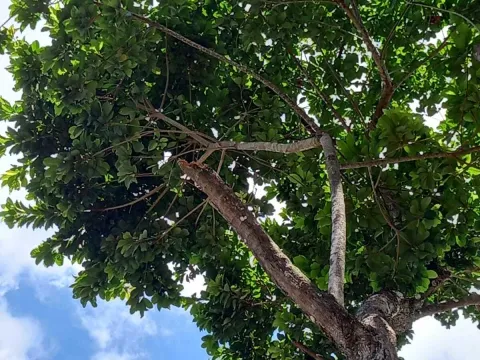
Pouteria macrophylla
Pouteria macrophylla
Pouteria macrophylla is a prominent member of the Sapotaceae family, characterized by its evergreen nature and robust botanical structure. Native to the tropical regions of South America, this tree is well-adapted to high-humidity environments.
What the section contains
Pouteria macrophylla
The tree thrives in tropical climates where temperatures remain consistently warm throughout the year. It does not possess significant cold tolerance, making it unsuitable for cultivation in temperate zones without strict greenhouse control.
Regarding soil requirements, Pouteria macrophylla prefers deep, nutrient-rich, and well-draining soils. While it appreciates moisture, it cannot withstand waterlogged conditions, which can lead to root system decay and poor plant health.
Standard horticultural practices for this crop involve maintaining adequate canopy health through pruning and ensuring that the tree receives sufficient sunlight to promote flower development and fruit setting.
The economic value of Pouteria macrophylla lies primarily in its edible fruit, which serves as a food source in its native distribution areas and holds potential for expanded cultivation in specialized tropical fruit markets.
Common phytosanitary threats to Pouteria macrophylla include various fungal pathogens that thrive in warm, humid conditions. These can cause leaf spots and fruit rot if not managed properly.
Insect pests such as scale insects and mealybugs often attack the foliage and stems of the tree, creating honey-dew which can lead to the growth of sooty mold on the plant surface.
Fruit-boring larvae pose a significant risk during the maturation stage, as they can quickly destroy the internal quality of the fruit, rendering it unsellable.
Cultural control methods, such as maintaining proper spacing between trees to improve airflow and timely pruning of dead or diseased branches, are essential for mitigation.
When chemical interventions are necessary, integrated pest management (IPM) strategies should be prioritized to minimize the impact on beneficial insects and the surrounding environment.