
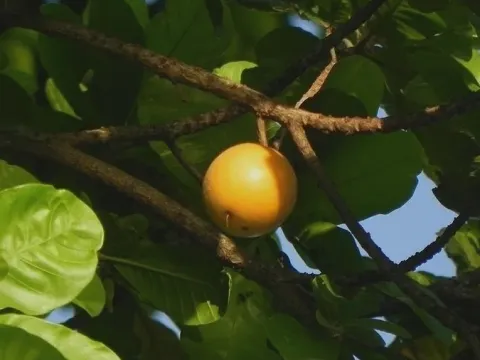
Pouteria guianensis
Pouteria guianensis
Pouteria guianensis is a prominent member of the Sapotaceae family. This evergreen tropical tree is well-adapted to the dense, humid environments characteristic of its native South American rainforests.
What the section contains
Pouteria guianensis
The tree thrives in the tropical regions of the Amazon basin and the Guiana Shield. It is known for its tall stature and dense canopy, which play a significant role in the local forest architecture.
Cultivation requirements include deep, nutrient-rich soils with excellent drainage properties. High humidity and consistent rainfall are essential for the healthy physiological development of this species.
Agricultural management requires careful attention to light conditions, especially during the early stages of growth. Shade-tolerant management practices are often employed to replicate the tree's natural forest-floor environment.
The species is highly valued both for its timber, which is durable and widely utilized in local woodworking, and its edible fruits, which contribute to the nutritional diversity of native ecosystems.
Fungal pathogens represent the primary threat to Pouteria guianensis, particularly in regions with limited air circulation. These infections can lead to leaf spots and tissue decay in younger plants.
Pests such as specialized beetles and larvae can inflict damage on both the vegetative parts and the fruit. In managed plantations, these insects can cause significant economic loss if not monitored.
Soil-borne parasites and nematodes may affect the root system if the planting site lacks proper soil structure. Ensuring well-drained substrate is the most effective way to prevent these root issues.
Integrated pest management strategies are recommended to maintain plant health without disrupting the sensitive tropical ecosystem. Regular pruning of diseased wood is essential for disease prevention.
Effective monitoring for signs of infestation is crucial, as the tree's size makes it difficult to treat once a large-scale outbreak occurs. Early detection and targeted maintenance remain the best practice.