
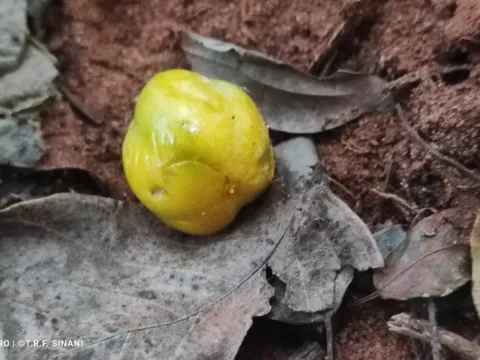
Chrysophyllum gonocarpum
Chrysophyllum gonocarpum
Chrysophyllum gonocarpum is an evergreen tree species belonging to the Sapotaceae family. It is native to the tropical regions of South America, including parts of Brazil, Argentina, and Paraguay.
What the section contains
Chrysophyllum gonocarpum
The tree thrives in warm, humid climates with consistent temperatures throughout the year. It prefers deep, nutrient-rich soils that provide excellent drainage to prevent root waterlogging.
Cultivation practices involve selecting sites that receive plenty of sunlight but offer protection from strong, dry winds. Young trees benefit from partial shade during their early stages of establishment.
Soil maintenance is crucial, with regular applications of organic matter recommended to support the tree's vigorous growth. Mulching helps retain soil moisture during seasonal dry spells.
The species is well-adapted to native forest environments, making it a suitable candidate for agroforestry systems that promote biodiversity and sustainable land use.
The primary economic value of Chrysophyllum gonocarpum lies in its edible fruit. These fruits are highly appreciated in local markets and serve as a significant source of nutrition.
In addition to the fruit, the timber is prized for its hardness and durability. It is often utilized in local construction projects and the manufacture of high-quality furniture items.
The potential for industrial processing of the fruits into preserves and functional beverages is a growing area of interest among agricultural researchers and local entrepreneurs.
Yield consistency can be improved through systematic pruning, which enhances air circulation within the canopy and reduces the competition for resources among fruit-bearing branches.
Future agricultural efforts aim to standardize production techniques, ensuring that farmers can achieve reliable yields while maintaining the health of the orchard ecosystem.
The crop can be susceptible to various fungal pathogens that thrive in high-humidity environments. Proper canopy management is essential to reduce the risk of disease spread.
Insect pests such as wood-boring larvae and fruit flies pose potential threats to tree health and crop quality. Integrated pest management strategies are advised for control.
Early detection of signs of stress or infestation is critical. Regular monitoring of the foliage and stems allows for timely interventions before significant damage occurs.
Natural predators play a vital role in maintaining the balance of the ecosystem; therefore, the use of environmentally friendly control methods is highly encouraged.
Maintaining strong tree vigor through proper irrigation and nutrition is the first line of defense against many common diseases and pest pressures in a tropical setting.
Harvesting is performed manually to ensure that each fruit is picked at the peak of ripeness. This careful selection process is key to maintaining high standards for the final product.
The ripeness stage is primarily indicated by a change in fruit color and a slight softening of the exterior texture. Workers must avoid bruising the delicate skin during collection.
Post-harvest handling is critical due to the perishable nature of the fruit. Immediate cooling or processing is recommended to maintain the nutritional value and marketability.
Logistics and packaging must be designed to minimize vibration and pressure during transport, as the fruit remains highly sensitive even after being removed from the tree.
Efficient coordination of harvest teams allows for staggered collection throughout the season, which helps manage supply chains for fresh fruit distribution effectively.