
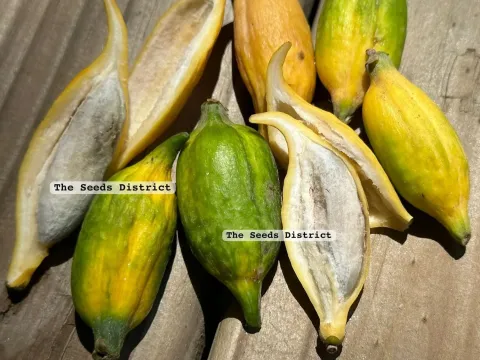
Chrysophyllum flexuosum
Chrysophyllum flexuosum
Chrysophyllum flexuosum is a perennial plant species belonging to the Sapotaceae family. It is native to the tropical regions of South America, where it thrives in warm and humid environments consistent with lowland rainforest ecosystems.
What the section contains
Chrysophyllum flexuosum
The plant requires deep, well-draining soil types to maintain healthy root development. A neutral to slightly acidic pH level is optimal for nutrient uptake, ensuring the tree receives all necessary minerals from the substrate throughout the year.
Climate requirements include consistently high temperatures, preferably between 22 and 30 degrees Celsius. The species is highly intolerant to frost, which makes it suitable only for specific tropical agricultural zones without the risk of freezing weather.
Water management is essential for this crop. It requires a steady moisture supply, particularly during the flowering and fruit-setting stages, yet the soil must not become waterlogged, as this often leads to rapid deterioration of the root structure.
Sunlight exposure is a major factor in productivity. While young plants can adapt to light shade, mature trees require full sunlight to optimize photosynthesis, which directly impacts the quality and volume of the harvest obtained from the plantations.
The primary economic use of Chrysophyllum flexuosum is the production of edible fruit. These fruits are highly valued in local markets for their sweet flavor and nutritional content, serving as a staple component of the diet in its native range.
Beyond its culinary value, the wood of the tree is recognized for its physical flexibility and strength. This characteristic makes it a useful material for local artisanal and small-scale agricultural tool manufacturing in tropical regions.
Major pests affecting this crop include various species of fruit flies and sap-sucking insects that can compromise the health of the leaves and fruits. Integrated pest management strategies are essential to keep infestation rates low in industrial cultivation.
Fungal pathogens associated with excessive soil moisture pose a significant threat to the plant. Maintaining adequate tree spacing to facilitate airflow and ensuring the drainage systems in the orchard are functional are the best methods to prevent widespread disease.