
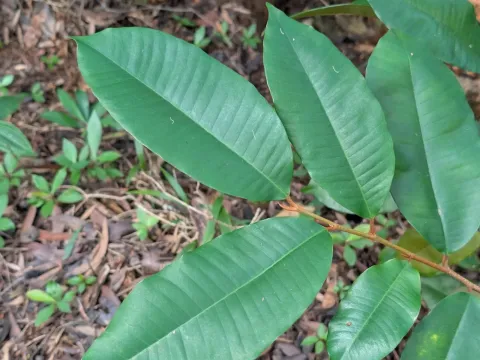
Chrysophyllum
Chrysophyllum
Chrysophyllum is a genus of tropical trees belonging to the Sapotaceae family, naturally occurring in various tropical regions of the Americas and the Caribbean.
What the section contains


Chrysophyllum
These plants thrive in warm, frost-free climates and require consistent high temperatures throughout the year to maintain vegetative vigor and fruit development.
The optimal soil profile for Chrysophyllum consists of deep, fertile, and well-drained soil, as the roots are intolerant of prolonged waterlogging or anaerobic conditions.
Young plants require partial shade to protect them from intense tropical sun, while mature specimens prefer full sun exposure to maximize photosynthetic output.
Due to their tropical nature, these trees require high atmospheric humidity, making them ideal for humid lowland regions with stable precipitation patterns.
The primary agricultural output of Chrysophyllum is its fruit, commonly referred to as the star apple, which is harvested for fresh market distribution.
Production cycles vary; however, trees grown from seeds typically require several years to reach maturity, whereas grafted trees provide faster yields.
Yield capacity can be significant, with well-managed mature trees producing large quantities of fruit that are highly sought after for their sweet pulp.
Harvesting is typically performed by hand, as the fruit skin can be delicate and prone to bruising, which reduces its shelf life and market value.
Beyond human consumption, the tree is also valued for its ornamental appeal, often used in landscaping within suitable climatic zones for its attractive foliage.
Pest pressure is primarily driven by sap-sucking insects, such as mealybugs and various species of scales, which can stunt tree growth if left uncontrolled.
Fungal diseases are a constant threat in high-humidity environments, with anthracnose being one of the most common issues affecting both leaves and fruits.
Root system health is frequently compromised by Phytophthora species if the soil structure fails to provide adequate drainage after heavy rainfalls.
Integrated Pest Management (IPM) strategies are essential, involving the regular monitoring of the canopy and the use of targeted biological controls.
Proper canopy management, including periodic pruning, is vital to ensure good air circulation, which helps reduce the incidence of moisture-related pathogens.