
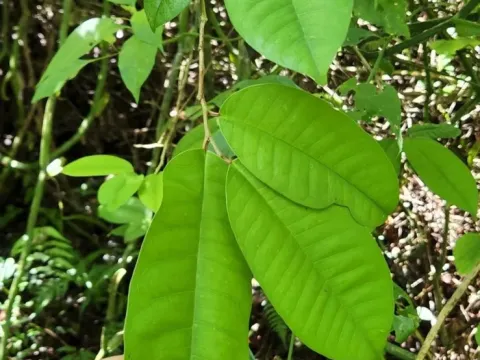
Chrysophyllum argenteum
Chrysophyllum argenteum
Chrysophyllum argenteum is a member of the Sapotaceae family, characterized by its evergreen nature and distinct foliage that features a silvery sheen on the underside. This tree is native to the tropical regions of Central and South America.
What the section contains
Chrysophyllum argenteum
The plant thrives in humid tropical climates, requiring consistent temperatures and protection from cold snaps or frost. It is typically found in lowland rainforest areas where precipitation is high and well-distributed throughout the year.
Soil requirements for this species include well-drained, nutrient-rich substrates. It does not tolerate waterlogging, and site selection must ensure that the root system has access to aerated, loamy soils to prevent hypoxia.
In terms of light, the species prefers full sun exposure once established, though seedlings benefit from light shade to protect them during the early stages of development. Consistent moisture levels are essential for optimal vegetative growth.
Economically, the tree is valued for its edible fruits and is occasionally used in reforestation projects or ornamental landscaping. Its wood is also utilized in local carpentry due to its moderate durability and texture.
Common pests affecting Chrysophyllum argenteum include scale insects and mealybugs. These sap-sucking insects can severely weaken the tree if left unmanaged, often congregating on the undersides of the silver-backed leaves.
Fungal pathogens represent a significant threat in high-humidity environments. Leaf spot diseases are common, especially when the canopy density prevents adequate airflow, leading to moisture retention and fungal proliferation.
Root rot is a critical concern, particularly in poorly drained soils. Pathogenic fungi such as Phytophthora can infect the root system, causing decline and eventual death of the tree if environmental conditions are not corrected.
Management strategies involve regular pruning to enhance air circulation within the canopy, which significantly reduces the risk of fungal outbreaks. Additionally, monitoring for early signs of infestations allows for targeted control.
Cultural practices such as weed management in the orchard and the use of healthy, pathogen-free planting stock are essential for prevention. Maintaining soil health and balanced nutrition further strengthens the plant's natural defenses.