
Canistel
Pouteria
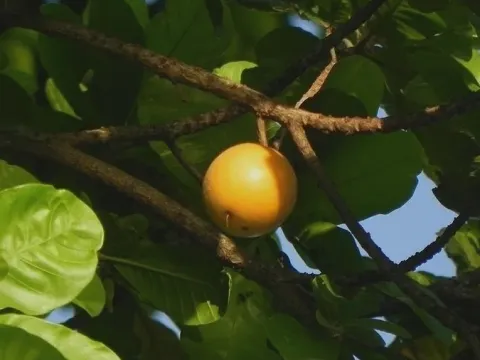
Canistel (Pouteria campechiana) is an evergreen tropical tree belonging to the Sapotaceae family. Native to Mexico and Central America, it is widely recognized for its edible fruit, which has a distinct yellow, custard-like texture.
What the section contains


Canistel
The tree thrives in tropical and subtropical regions. It is highly sensitive to frost, which limits its commercial cultivation to frost-free areas where temperatures remain consistent throughout the year.
For optimal growth, canistel requires well-draining soil. While it is adaptable to various soil types, including limestone and sandy soils, it performs best in rich, deep loams with a neutral to slightly acidic pH level.
Sunlight exposure is crucial for the development of canistel. The tree requires full sun for healthy growth and maximum yield, and it should be positioned in a location protected from strong, drying winds.
The fruit of the canistel tree is highly nutritious, containing significant amounts of beta-carotene, niacin, and calcium. It is commonly consumed fresh, blended into shakes, or used as a base for pies, cakes, and other desserts.
Common pests affecting the canistel tree include mealybugs and scale insects. These pests feed on the sap, causing stunted growth and leaf drop; horticultural oils or systemic insecticides are typically used for control.
Fruit flies pose a significant threat to harvest quality, as larvae bore into the maturing fruit. Integrated pest management strategies, such as using bait sprays or bagging the fruits, are effective against these infestations.
Fungal diseases like anthracnose can cause leaf spots and fruit rot, particularly in humid conditions. Maintaining proper airflow through regular canopy pruning is an essential cultural practice to mitigate this risk.
Root rot is often a consequence of poorly drained soils or over-irrigation. Ensuring a well-drained planting site and preventing water stagnation are critical to the longevity of the tree.
Nutrient deficiencies, particularly involving iron or zinc, may manifest as chlorosis on the leaves. Regular soil testing and the application of balanced micronutrient fertilizers are necessary to maintain vigorous health.