
Spermacoce saxicola
Spermacoce saxicola
Description
Growing requirements
Spermacoce saxicola is a distinct member of the Rubiaceae family, specialized for survival in challenging, rocky environments. Its biological structure reflects adaptations to thin, nutrient-poor, and well-drained substrates typically found in tropical regions.
The plant exhibits xerophytic characteristics, allowing it to withstand prolonged periods of drought. Its root system is exceptionally efficient at penetrating rock crevices to access moisture stored deep within the geological formations.
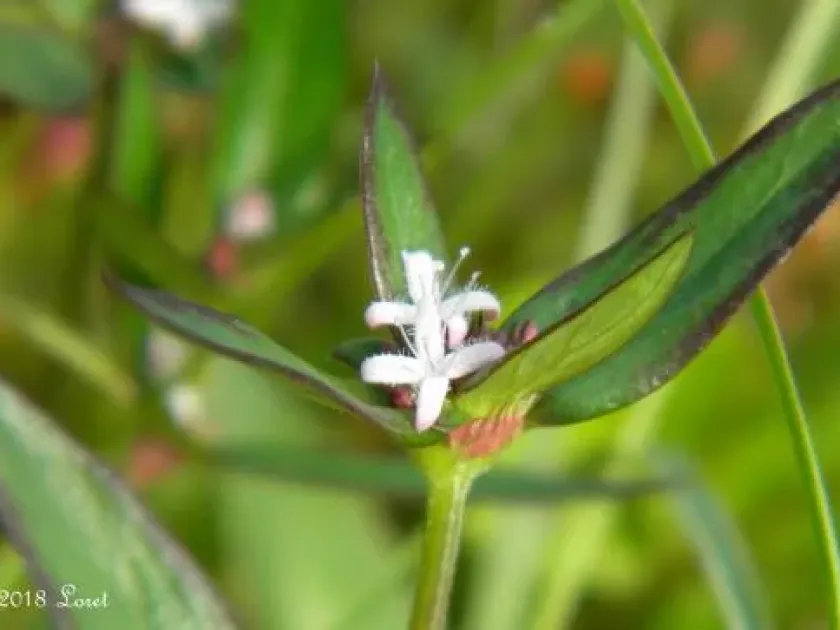
Botanically, the species is recognized by its small, clustered flowers and foliage that is often adapted to reduce transpirational water loss. This makes the plant highly resilient in its native ecological niche.
In terms of habitat, Spermacoce saxicola is endemic to specific regions in South America where it thrives on rocky outcrops. It does not possess the qualities of a mass-market agricultural crop but holds interest for specialized botanical studies.
Requirements for cultivation include high levels of solar radiation and a very gritty, fast-draining substrate. Excessive moisture or the use of heavy fertilizers will prove detrimental, as the plant is evolved to thrive in low-nutrient, open environments.