
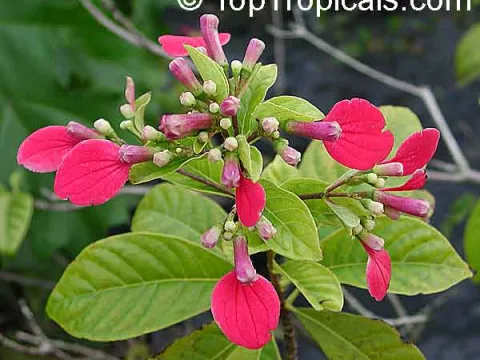
Pogonopus
Pogonopus
Pogonopus is a genus of trees and shrubs belonging to the Rubiaceae family, native to tropical regions. Propagation is typically achieved through seeds or stem cuttings within controlled nursery environments.
What the section contains


Pogonopus
Seeds should be sown in a well-drained, humus-rich substrate at temperatures between 22 and 25 degrees Celsius. Ensuring consistent moisture without waterlogging is crucial during the germination phase.
Cuttings require high humidity and the use of rooting hormones to ensure successful development. Once rooted, young plants must be gradually acclimated to environmental conditions before being transplanted to their final location.
Spacing during planting is determined by the specific variety and intended use of the crop. Providing adequate airflow between individual plants is essential to prevent the spread of fungal diseases.
The establishment phase requires careful monitoring of light levels, as direct, harsh sunlight can damage the sensitive foliage of young seedlings. Proper planning of the sowing calendar ensures optimal growth before the onset of the dormant period.
As a tropical genus, Pogonopus demands high humidity and constant warm temperatures. It is highly sensitive to cold, making protected cultivation mandatory in temperate regions.
Soil requirements include a slightly acidic pH and excellent drainage properties. Rich, organic substrates support vigorous growth and help maintain the health of the root system.
The plant thrives in bright, filtered light. Protecting the leaves from direct sun exposure helps maintain vibrant foliage color and prevents scorching in nursery settings.
Regular fertilization with organic compounds supports overall plant vitality. Mineral supplements can be applied during the active growing season, focusing on a balanced ratio of nitrogen, phosphorus, and potassium.
Watering schedules must be adjusted based on the growth stage and local climate conditions. Ensuring that the soil is kept moist but not saturated is key to maintaining long-term health.
The primary agricultural and economic value of Pogonopus lies in its application for ornamental landscaping and botanical collections. Certain species are also recognized for the quality and durability of their wood.
Yield metrics in commercial production focus on biomass accumulation and the success rate of propagation from nursery stock. Consistent pruning techniques help achieve uniform tree shapes for commercial sale.
Seed collection requires precise timing, as fruits may mature at different rates. Proper storage under cool and dry conditions is necessary to maintain high germination rates over time.
The market value is heavily influenced by the plant's aesthetic appeal, particularly the beauty of its floral display. High-quality nursery management results in healthier, more desirable specimens for wholesale distribution.
Future agricultural prospects involve selecting varieties with higher resistance to local stressors to increase yield stability. Continued research into the optimal nutrient requirements further supports production efficiency.
Pogonopus is susceptible to various fungal pathogens that thrive in high-humidity environments. Proper sanitation and spacing are the primary defenses against these infections.
Pests like scale insects and spider mites are common threats in indoor or greenhouse cultivation. Monitoring programs and integrated pest management strategies are essential for control.
Leaf spot diseases can significantly impair both the health and aesthetic value of the plants. Early intervention through selective pruning and specialized fungicide application helps manage these issues.
Nematode infestations in the soil can compromise root development, leading to nutrient deficiencies. Utilizing sterilized potting media is a common practice to avoid soil-borne threats.
Maintaining strong plant health through proper nutrition is the best preventive measure against most pests and diseases. A vigorous plant can naturally withstand and recover from minor infestations more effectively.