
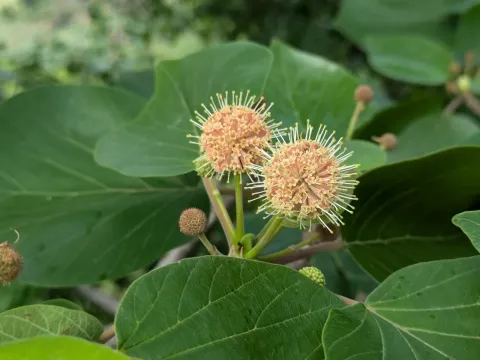
Pertusadina
Pertusadina
Pertusadina is a tree species that is primarily managed through silvicultural practices rather than traditional agricultural sowing. Propagation is achieved through seedlings raised in specialized nurseries, ensuring a higher survival rate before transplantation to plantation sites.
What the section contains

Pertusadina
The nursery phase begins with the careful selection and treatment of seeds to optimize germination rates. Using containers allows for precise control over the growing medium, protecting the sensitive root systems of young saplings from soil-borne pathogens during their initial growth.
Transplanting into the field is strictly synchronized with the onset of the rainy season. This climatic window provides the necessary soil moisture to facilitate rapid root establishment, minimizing transplant shock and the need for intensive irrigation during the early stages.
Spacing between trees is carefully calculated to manage resource competition for light and nutrients. Appropriate density prevents the development of crooked trunks, as individual trees are encouraged to compete for height, resulting in superior timber quality.
Maintenance during the first two years is essential, focusing on the removal of invasive weeds and climbers. This intervention ensures that the saplings have sufficient access to sunlight and prevents them from being smothered by fast-growing tropical vegetation.
Pertusadina belongs to the Rubiaceae family and is native to the humid tropical forests of Southeast Asia. The species thrives in environments characterized by consistently warm temperatures and high levels of rainfall throughout the year.
Optimal soil conditions include deep, well-drained alluvial soils. The tree is highly sensitive to waterlogging, as stagnant water in the root zone can trigger decay and severely impair the health of the entire stand, necessitating sites with natural drainage.
Light requirements are significant for this species. While young saplings may benefit from partial shade, mature trees require full canopy exposure to sustain the high photosynthetic rates necessary for biomass accumulation and trunk thickening.
Temperature stability is critical, with an ideal range between 25 and 30 degrees Celsius. The species does not tolerate frosts or significant temperature fluctuations, which restricts its cultivation to tropical and equatorial climatic zones.
Consistent atmospheric humidity is another vital factor for growth. In areas with periodic dry seasons, establishing plantations near river basins or implementing supplementary irrigation systems helps maintain the tree's vigor and steady growth rate.
The yield of Pertusadina is measured in terms of timber volume and quality rather than annual fruit harvests. As a slow-growing hardwood, the economic cycle is long-term, spanning several decades, which necessitates careful investment and forest management.
The final value of the timber is determined by the straightness of the bole and the uniformity of the wood grain. Through disciplined silvicultural practices, including strategic pruning, foresters can maximize the percentage of high-grade logs produced from each stand.
Quantifying yield involves regular forestry inventory and dendrological measurements. Modern plantations utilize these metrics to project harvest times, ensuring that trees are felled when they reach their peak economic and biological maturity.
Sustainable yield management focuses on maintaining a steady supply of timber without depleting the forest resource base. By implementing rotational harvesting, operators ensure the long-term viability of the plantation while meeting market demands.
The overall productivity is heavily influenced by the initial quality of the saplings and the management of soil fertility. Proper application of fertilizers during the early years can accelerate growth, significantly impacting the final economic return.
Fungal diseases affecting the root system are among the primary threats to Pertusadina plantations. These usually manifest in areas with poor drainage or excessive humidity, highlighting the importance of site selection and soil management.
Pests, particularly wood-boring insects, can significantly damage the structural integrity of the timber. Early detection through regular inspections of the bark and canopy is essential to mitigate the risk of widespread infestation across the stand.
Competition from invasive plant species, especially vigorous vines, poses a constant threat in tropical climates. If left unchecked, these plants can impede the growth of Pertusadina trees and even cause mechanical damage to the branches and crowns.
Climatic risks, such as severe tropical storms, can cause limb breakage or uprooting. While the species is resilient, managing the stand density and pruning helps improve the wind-firmness of the trees during extreme weather events.
Integrated Pest Management (IPM) strategies are recommended to reduce reliance on chemical treatments. By fostering a balanced ecosystem within the plantation, managers can minimize the impact of various threats while promoting long-term forest health.
The harvesting process for Pertusadina is a professional operation that requires careful logging planning. Depending on the management objective, either selective harvesting or clear-cutting methods are employed to manage the transition from forest to timber product.
Logging is preferably scheduled during the drier months to ensure better accessibility and to minimize damage to the soil structure. Using specialized logging equipment helps ensure efficient extraction while maintaining the safety of the workers and the surrounding environment.
Post-felling procedures include bucking and sorting, where the main stems are separated from limbs and branches. This adds value to the timber at the source and reduces the volume of material that needs to be transported to the processing facility.
Logistical infrastructure is a major consideration, as plantations are often located in remote areas. A well-maintained network of roads is necessary to ensure the timely delivery of logs to mills, reducing the time that harvested wood sits in the forest.
Following the harvest, the site is prepared for reforestation. Planting new seedlings immediately after clearing the area ensures a continuous cycle of production and contributes to the overall stability of the forest ecosystem.