
Pinckneya
Pinckneya
Pinckneya is a genus of deciduous shrubs or small trees belonging to the Rubiaceae family. Native to the southeastern United States, particularly the coastal regions, these plants are naturally adapted to wet, boggy environments where moisture is abundant throughout the year.
What the section contains

Pinckneya
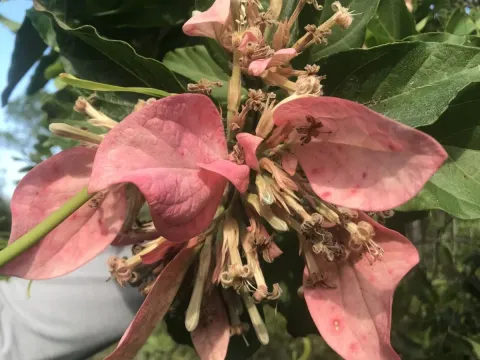
The plant is most famous for its dramatic floral display, where modified leaves known as bracts turn bright pink or rose, surrounding inconspicuous tubular flowers. This feature makes it a highly sought-after specimen for ornamental gardening in suitable hardiness zones.
Requirements for successful cultivation include acidic, humus-rich soil that remains consistently moist. Unlike many other landscape plants, Pinckneya does not tolerate dry conditions well, making site selection near water features or in naturally damp garden spots ideal for its development.
Agrotechnical practices involve careful pruning after the flowering season to maintain a balanced shape and encourage vigorous growth for the following year. Propagation is typically achieved through seeds or semi-hardwood cuttings, which require a controlled environment with high humidity levels.
In terms of хозяйственное (economic) use, Pinckneya is prized primarily for its aesthetic contribution to public and private landscapes. Historically, it was colloquially known as the fever tree, as its bark contains alkaloids similar to quinine, previously used as a medicinal remedy for intermittent fevers.
The main threats to Pinckneya involve root pathogens triggered by poor drainage or stagnant water conditions. Proper soil structure is essential to prevent these fungal issues, which can quickly lead to systemic decay and the eventual loss of the ornamental plant.
Pests such as aphids and spider mites can occasionally affect the foliage, particularly during dry spells or if the plant is grown in containers with poor airflow. Maintaining optimal humidity and periodic monitoring are the best strategies for pest management in this species.