
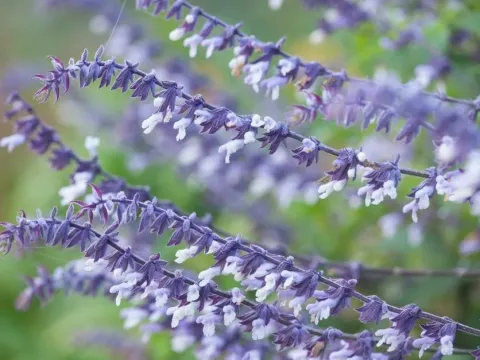
Phyllis
Phyllis
Sowing Phyllis seeds is typically performed in controlled greenhouse environments during late winter to ensure optimal germination rates.
What the section contains

Phyllis
The seeds should be sown in a well-draining, sterile potting mix, ensuring they are only lightly covered with soil to allow adequate light exposure.
Seedlings require a consistent temperature of around 20 degrees Celsius to develop healthy root structures before the transplanting stage.
Once frost risks have completely passed, the plants are hardened off and moved to their final outdoor location or maintained in a container.
Careful spacing is essential during transplanting to allow for lateral growth and to reduce the risk of humidity-related issues in the canopy.
Phyllis belongs to the Rubiaceae family and is recognized for its unique adaptation to the climates of the Canary Islands and Madeira.
The crop thrives in well-drained, sandy-loam soils that offer excellent aeration and prevent moisture stagnation around the sensitive root systems.
It requires a sunny position to reach its full development potential, though it may benefit from light shading during the peak of the summer heat.
Watering management should focus on keeping the soil slightly moist but never waterlogged, as the plant is sensitive to root asphyxiation.
Nutrient requirements are modest, yet periodic applications of balanced NPK fertilizers support robust vegetative growth during the main season.
Spider mites are a primary concern for this crop, especially in environments where humidity levels are kept too low for prolonged periods.
Fungal pathogens such as gray mold (Botrytis) can emerge if the canopy becomes too dense and airflow is restricted within the growing area.
Aphid infestations are common and can severely weaken the plant by extracting sap from tender new leaves and stems throughout the summer.
Integrated pest management strategies are recommended, starting with early detection through frequent scouting of the crop area.
Maintaining proper hygiene by removing weeds and debris from the vicinity of the plant can significantly lower the pressure of pests and diseases.