
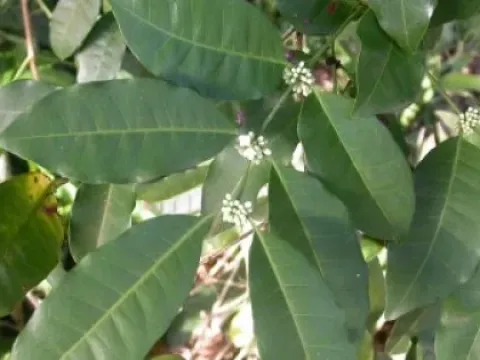
Polysphaeria
Polysphaeria
Polysphaeria is a botanical genus belonging to the Rubiaceae family. These plants are native to tropical African environments, where they thrive in lush, humid understory conditions, necessitating specific care for successful cultivation.
What the section contains

Polysphaeria
Climate requirements for this plant are centered on tropical heat; it prefers consistent temperatures ranging from 20 to 28 degrees Celsius. Exposure to cold drafts or temperatures below 15 degrees Celsius can cause significant stress and growth cessation.
The soil profile must be nutrient-rich and porous. A well-draining potting medium or site preparation is essential to prevent water stagnation, which is the primary cause of decline for this specific ornamental genus.
Light management is crucial, as the plants exhibit optimal development under filtered or diffused light conditions. In agricultural or greenhouse settings, shading screens are often utilized to protect the foliage from intense midday radiation.
Consistent watering schedules must be balanced with the plant's transpiration rate. Providing supplemental organic fertilizers during the active growing season encourages robust foliage development and increases the plant's overall resilience.
Fungal diseases are the most significant threat to Polysphaeria, particularly when humidity levels remain high without adequate air circulation. Pathogens affecting the roots, such as Phytophthora, can cause rapid wilting.
Pest pressure from scale insects and spider mites is common, especially in environments where the air is dry or stagnant. These pests extract sap from the foliage, leading to chlorosis and eventual necrosis of the plant tissues.
Effective control strategies involve the use of integrated pest management (IPM) techniques. Periodic monitoring of the underside of leaves and stems allows for early detection of pest colonies before they reach damaging levels.
Chemical intervention with systemic fungicides or horticultural oils should be carried out at the first sign of distress. It is imperative to follow label instructions strictly to ensure the longevity of the plant and surrounding ecosystem.
Long-term health is maintained by ensuring clean tools, proper spacing between plants, and removal of any dead or decaying plant matter. Maintaining high sanitary standards is the most effective way to prevent disease outbreaks.