
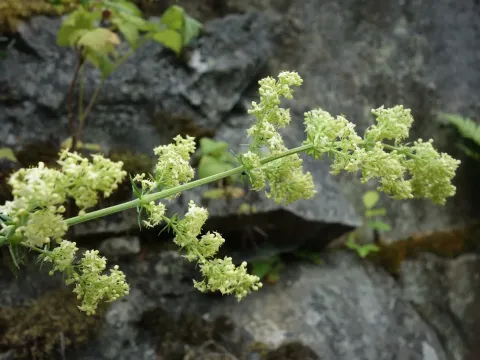
Pomeranian bedstraw
Galium pomeranicum
Pomeranian bedstraw (Galium pomeranicum) is a perennial herbaceous plant belonging to the Rubiaceae family. It is natively found across European meadows and forest margins, exhibiting strong adaptation to moderate temperate climates.
What the section contains
Pomeranian bedstraw
The plant thrives in well-drained, nutrient-rich soils with a neutral pH. It demonstrates excellent winter hardiness, allowing it to survive sub-zero temperatures and thrive in the spring when moisture levels are sufficient for rapid biomass development.
Regarding light conditions, Galium pomeranicum prefers partial shade or full sun, provided that the soil retains moisture. It is not suitable for dry, sandy soils that lack organic matter, as it needs consistent moisture to produce high-quality yields.
Agricultural management requires careful site selection. Avoiding areas with stagnant water is essential to prevent root-related issues. The plant is considered low-maintenance, requiring only basic fertilization and weed control to establish a healthy crop stand.
Industrially, this species is valued for its specific chemical composition, including secondary metabolites like tannins and flavonoids, which are utilized in both pharmaceutical research and specialized natural extract production.
Powdery mildew is the most common fungal disease affecting the crop, particularly in periods of high humidity and poor ventilation. Proper spacing between plants is crucial to ensure airflow and reduce the risk of infection.
Pests such as aphids and leaf-eating beetles can threaten plant health during the rapid growth phase. Integrated Pest Management (IPM) strategies, including the use of pheromone traps and biological predators, are recommended for commercial farms.
Root rot, often caused by Pythium or Phytophthora species, can devastate entire fields if drainage is not optimized. Improving soil structure and avoiding over-irrigation are primary preventative measures for every grower.
Weed infestation is a major threat during the early establishment of the crop. Mechanical cultivation between rows is recommended to minimize competition and create a cleaner environment for the bedstraw to spread its root system.
Periodic monitoring for signs of rust or leaf spots is recommended to catch infections early. Removing affected plant parts and disposing of them away from the field can stop the spread of localized outbreaks effectively.