
Posoqueria
Posoqueria
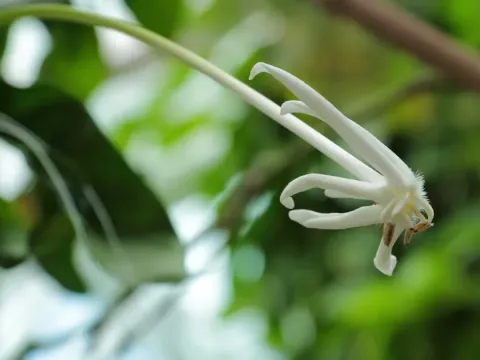
Posoqueria is a genus of evergreen trees and shrubs belonging to the Rubiaceae family. Native to the tropical regions of Central and South America, these plants are renowned for their elegant, fragrant, and highly distinctive tubular flowers.
What the section contains


Posoqueria
These plants thrive in tropical climates and require consistent warmth to flourish. In cultivation, it is essential to maintain an ambient temperature range of 20°C to 28°C, as the plant is highly sensitive to cold and freezing conditions.
High humidity is a critical requirement for Posoqueria. Growers often use misting systems or humidity trays to ensure that the moisture levels remain optimal, especially in indoor environments where heating can dry out the air.
Well-draining, nutrient-rich soil is paramount for healthy growth. A mixture of peat, perlite, and organic compost creates an ideal medium that prevents waterlogging while providing necessary nutrients for the development of the lush foliage.
The plant is primarily utilized in ornamental horticulture for conservatory collections and high-end landscaping in frost-free regions. Its architectural foliage and nocturnal fragrance make it a prized specimen for plant enthusiasts and botanical gardens.
Posoqueria is susceptible to common greenhouse pests such as spider mites, mealybugs, and scale insects. These pests often congregate on the undersides of leaves or in the axils, weakening the plant by extracting its sap.
Fungal diseases are a major threat, particularly root rot caused by poor soil drainage or over-irrigation. Excessive moisture in the root zone prevents aeration, allowing fungi to thrive and compromise the plant's structural integrity.
Integrated Pest Management (IPM) is the most effective approach for maintaining Posoqueria. This includes physical removal of pests, environmental control, and the judicious use of horticultural soaps or systemic pesticides when necessary.
Monitoring the plant for signs of stress, such as leaf yellowing or stunted growth, is vital for early intervention. Swift action upon spotting pests or disease symptoms can prevent an outbreak from spreading to other specimens.
Maintaining a clean growing environment is essential to reduce the risk of secondary infections. Removing fallen debris and ensuring good air circulation around the canopy helps keep the plant robust and resistant to opportunistic pathogens.