
Pogonopus speciosus
Pogonopus speciosus
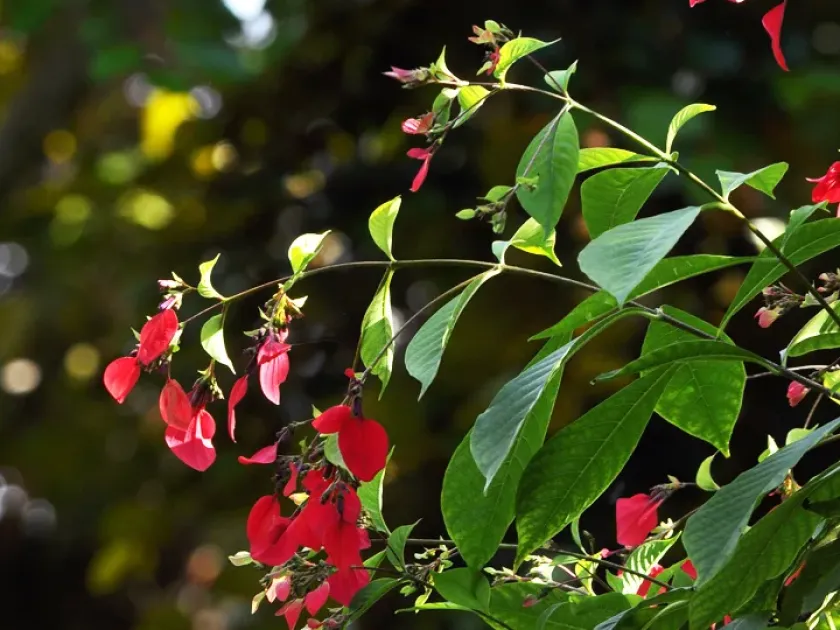
Description
Sowing dates
Pogonopus speciosus is typically propagated through seeds, which require a warm and humid environment to successfully germinate in a controlled agricultural setting.
Sowing should take place in a light, well-draining peat-based medium that retains enough moisture to support the sensitive developing roots of the tropical seedlings.
Maintaining a constant soil temperature between 22 and 26 degrees Celsius is critical for breaking seed dormancy and ensuring a high percentage of germination success.
As seedlings develop, they should be transplanted into individual containers, allowing enough space for the root system to expand without the risk of competition.
The timing of sowing is most effective during the early spring months to leverage increasing natural light cycles for robust early vegetative growth.
Growing requirements
As a member of the Rubiaceae family, Pogonopus speciosus thrives in high-humidity tropical conditions similar to those found in its native Central and South American range.
The soil should be rich in organic matter, slightly acidic, and possess excellent permeability to prevent waterlogging, which the plant species does not tolerate well.
Bright, indirect light is essential for the plant to maintain its structural integrity and leaf coloration while avoiding the damaging effects of intense direct sunshine.
During the growing season, a balanced fertilizer application is recommended to support continuous metabolic processes and the development of new foliage.
Watering requirements must be adjusted seasonally, with increased hydration during active growth and reduced watering during the cooler, less active dormant phase.
Main diseases and pests
The culture is susceptible to various fungal pathogens that can proliferate rapidly in conditions with stagnant air or excessive moisture trapped within the soil profile.
Common horticultural pests, such as spider mites and scale insects, often target the succulent tissues, necessitating regular scouting and immediate remedial action.
Root rot is a major threat to this species, usually caused by overwatering or the use of poorly draining soil, which suffocates the root system effectively.
Integrated pest management strategies, including the use of neem-based oils or targeted systemic insecticides, are necessary to keep pest populations at manageable levels.
Providing optimal airflow and maintaining a clean growing environment are the most effective preventive measures against the spread of debilitating diseases.