
Portlandia
Portlandia
Portlandia is a genus of flowering plants belonging to the Rubiaceae family. Native to the Caribbean islands, these plants are known for their distinct woody stems and significant ornamental value, typically appearing as shrubs or small trees in their natural habitat.
What the section contains


Portlandia
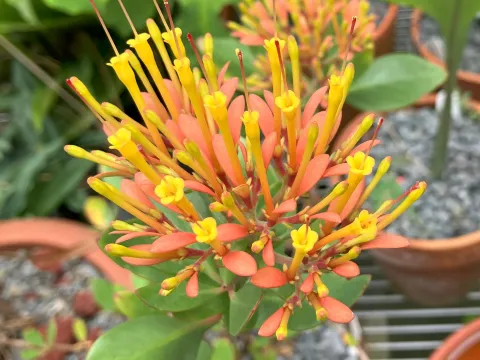
The botanical structure is marked by large, bell-shaped, and highly fragrant flowers, which often bloom in white or pale pink shades. The foliage consists of dark, glossy, evergreen leaves that are arranged in a decussate pattern, providing a lush appearance throughout the year.
Climate requirements for Portlandia are strictly tropical, necessitating consistent warmth and protection from frost. Due to these sensitivity levels, successful cultivation outside of tropical zones is restricted to greenhouses, conservatories, or climate-controlled environments where temperature fluctuations are minimal.
Soil management is critical for the health of the plant, requiring a well-draining, nutrient-rich substrate. A slightly acidic pH is generally preferred, mimicking the forest soil conditions found in its native regions of Jamaica or Cuba.
The primary utility of the genus is ornamental. It is highly sought after by collectors of exotic flora and botanical garden curators who specialize in rare tropical specimens that require specific microclimatic conditions to thrive.
The major threats to Portlandia include various pests such as scale insects and spider mites, which thrive in low-humidity greenhouse environments. Consistent monitoring and manual cleaning or biological control are recommended to manage these infestations effectively.
Pathogenic threats are primarily related to root health, with fungal pathogens such as Pythium and Phytophthora being common when drainage is inadequate. Ensuring proper airflow and strictly controlled irrigation regimes are essential to prevent root rot and ensure the longevity of the plant.