
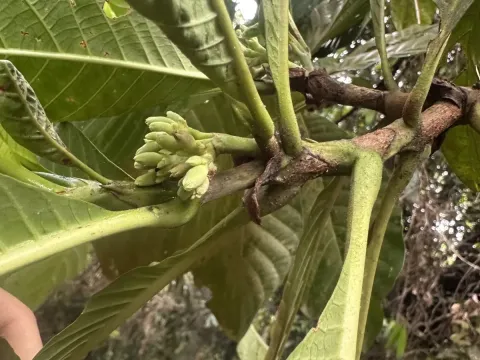
Porterandia
Porterandia
Porterandia is a genus of flowering plants belonging to the family Rubiaceae. These plants are primarily native to the tropical regions of Southeast Asia, where they thrive in the understory of dense, humid rainforests. The genus encompasses various species of trees and shrubs characterized by specific ecological adaptations.
What the section contains

Porterandia
Cultivation of Porterandia requires strict adherence to environmental conditions typical of its native habitat. The plants perform best in deep, fertile soils rich in organic matter. A well-drained substrate is essential, as waterlogged conditions can lead to root rot, which is a common problem for tropical woody species grown in artificial environments.
Climatic requirements for Porterandia are highly specific: they necessitate consistently high temperatures, ideally between +22°C and +28°C. Being sensitive to cold, these plants cannot withstand any frost or prolonged exposure to temperatures below +15°C. High air humidity levels, consistently maintained above 70%, are crucial for healthy leaf development.
Botanically, the genus is recognized by its opposite, often glossy leaves and specific floral arrangements typical of the Rubiaceae family. The fruits are generally berries, which play an important role in the local food chain, providing a food source for tropical avian and mammal species that assist in seed dispersal.
From an agricultural and commercial perspective, Porterandia is not a staple food crop. However, its value lies in its ecological contribution and potential pharmacological interest. Current research often focuses on identifying bioactive compounds within the plant tissues, which may hold significant potential for future botanical and medical applications.