
Phuopsis
Phuopsis
Phuopsis is a genus of herbaceous perennial plants belonging to the family Rubiaceae. The most common species, Phuopsis stylosa, is widely recognized for its ability to create dense, mat-forming carpets in garden landscapes.
What the section contains
Phuopsis
Originating from the Caucasus and Northern Iran, this plant is naturally adapted to rocky terrains and forest margins. Its geographic background contributes to its hardiness and ability to thrive in various temperate climates.
The cultural requirements for Phuopsis include well-drained soil and exposure to full sun or partial shade. While it shows good drought tolerance once established, maintaining optimal moisture levels during the peak of summer is essential for vibrant flowering.
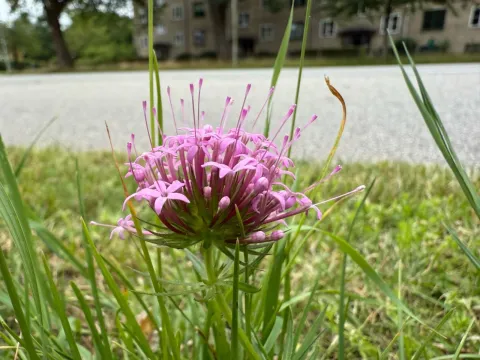
Botanically, it is characterized by whorled leaves and distinctive pink, globular flower heads. These flowers release a pleasant, honey-like fragrance, which is highly appreciated in garden design for its sensory appeal.
In landscaping, Phuopsis serves as an excellent ground cover. It is commonly used in rock gardens, along garden borders, or as a filler plant in mixed beds, providing consistent color and texture throughout the growing season.
The primary threats to the health of Phuopsis are fungal infections caused by poor drainage. Excess moisture around the root zone often leads to crown rot, which can quickly compromise the entire plant clump.
Pests such as slugs and snails are significant threats to the foliage. These mollusks are particularly active during damp weather and can cause substantial damage to the plant's soft, succulent stems and leaves.
Cultural control measures, such as maintaining proper spacing between plants and keeping the planting area weed-free, help improve air circulation and significantly reduce the likelihood of pest infestations.
In cases where fungal diseases appear, it is recommended to prune the affected areas and ensure the soil is allowed to dry out between watering sessions. Fungicides should be used only as a last resort.
By selecting well-aerated soil and avoiding overhead irrigation, growers can successfully mitigate most risks, ensuring that the plant remains healthy and vigorous for many years.