
Egyptian starcluster
Pentas purpurea
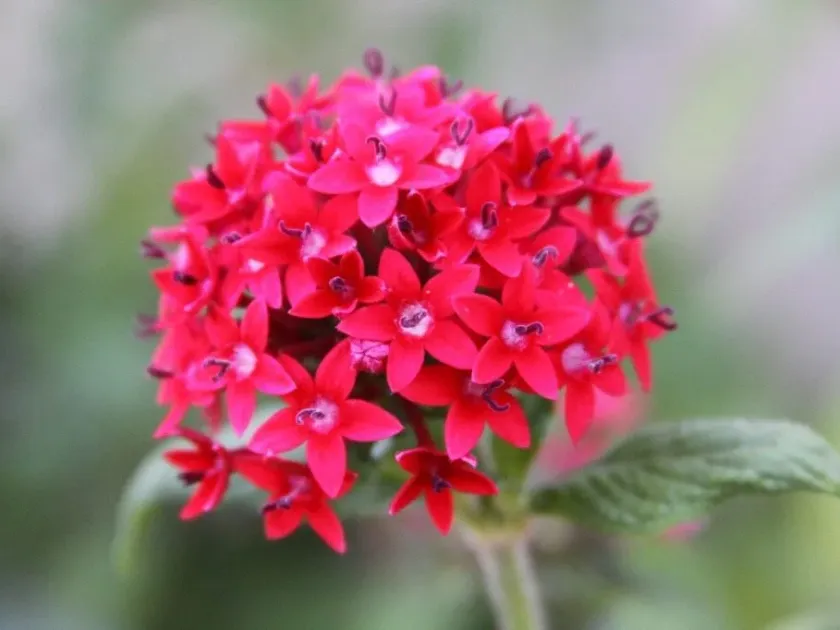
Description
Sowing dates
The cultivation of Pentas lanceolata, belonging to the Rubiaceae family, begins with seed propagation or vegetative cuttings. Seeds are typically sown indoors in late winter to ensure a robust plant size before the summer flowering season begins.
Since the seeds are extremely small, they should be sown on the surface of a light, sterile soil mix without covering them too deeply. Maintaining consistent moisture and a temperature range between +22 and +25 degrees Celsius is essential for successful germination.
Once seedlings develop their first true leaves, they should be pricked out into individual pots. Providing adequate light is crucial during this stage to prevent the plants from becoming leggy and to promote the development of a compact, sturdy growth habit.
Propagation by cuttings is an efficient way to maintain specific cultivars. Taking 10 cm long tip cuttings during the late summer allows for rapid rooting in a well-draining medium under controlled humidity conditions.
Transplanting to the final location should only occur after all risks of frost have passed. As a tropical species, Pentas requires warm soil temperatures to establish its root system effectively and resume active growth.
Growing requirements
Originating from the tropical regions of Africa and Arabia, Pentas thrives in full sunlight. Optimal growth occurs when the plant receives at least six to eight hours of direct light daily, which stimulates consistent bloom production throughout the season.
The soil must be fertile, well-draining, and slightly acidic to neutral in pH. Implementing a proper drainage system in containers or selecting well-aerated soil in garden beds is critical to preventing root zone saturation and subsequent plant stress.
Temperature management is a priority, with the preferred range being +20 to +28 degrees Celsius. If temperatures consistently drop below +10 degrees Celsius, the plant's metabolic activity slows significantly, potentially leading to permanent damage.
Regular irrigation is necessary to maintain soil moisture without allowing the roots to stand in water. A consistent moisture level promotes vigorous growth and prevents the blossom drop that often occurs under irregular watering schedules.
Balanced fertilization is required throughout the growing season. Applying water-soluble fertilizers with a focus on phosphorus and potassium levels encourages the development of the iconic star-shaped inflorescences.
Main diseases and pests
The primary insect pests affecting Pentas include aphids, spider mites, and whiteflies. These pests exploit the plant's succulent tissues, leading to stunted growth, leaf discoloration, and the potential transmission of viral pathogens.
Root rot is the most common physiological disorder, usually stemming from over-irrigation or improper soil drainage. Ensuring that the substrate remains airy and that containers have adequate drainage holes is the best preventive measure.
Management of these threats involves a combination of cultural practices and chemical interventions. Regular scouting is recommended to detect populations early, followed by the use of appropriate insecticides or miticides when thresholds are exceeded.
Fungal diseases, such as powdery mildew, may occur in high-humidity environments with poor air circulation. Proper spacing between plants and the application of systemic fungicides can effectively mitigate these issues and preserve crop quality.
Sanitation is key in professional cultivation. Regularly removing fallen debris and ensuring the cleanliness of the growing area helps to reduce the survival of pest larvae and fungal spores between growing cycles.