
Pentas micrantha
Pentas micrantha
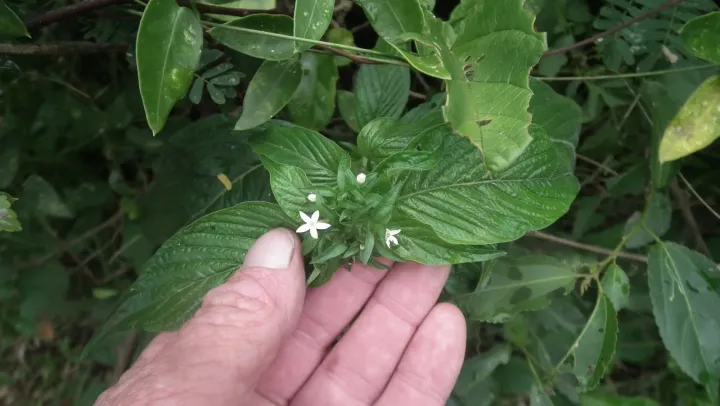
Description
Sowing dates
Sowing seeds of Pentas micrantha is typically scheduled for late winter or early spring to ensure the plants are well-established for the growing season. A sterile, well-draining seed-starting mix is essential for initial growth.
The seeds require temperatures between 22 and 25 degrees Celsius to germinate successfully. Maintaining high humidity through the use of a humidity dome or plastic covering is highly beneficial during the germination stage.
Surface sowing is recommended as the seeds are quite fine and require light to stimulate the germination process. Pressing them lightly into the surface of the soil ensures good contact without burying them.
Once seedlings emerge, they should be placed in a bright location to prevent legginess. Supplemental lighting may be necessary if natural light levels are low during the early developmental phases.
Transplanting into individual pots should occur after the first true leaves have fully developed. Careful handling of the root system during this stage promotes faster establishment in the final growing container.
Growing requirements
Pentas micrantha is a member of the Rubiaceae family and thrives in tropical conditions. It requires bright, indirect sunlight to perform best and maintain its characteristic bloom color and frequency.
The ideal soil is rich in organic matter and must be well-draining to prevent waterlogging. A slightly acidic to neutral pH is preferred for optimal nutrient uptake throughout the life of the plant.
Consistent watering is crucial for Pentas micrantha, especially during the active growth phase in summer. The soil should be kept uniformly moist but never saturated to avoid root rot issues.
Regular fertilization with a balanced liquid fertilizer is recommended every two weeks during the growing season. This ensures that the plant has sufficient energy to produce continuous flushes of flowers.
Pruning and pinching are essential maintenance tasks to keep the plant bushy and compact. Regular trimming encourages branching and prevents the plant from becoming woody and sparse over time.
Main diseases and pests
Spider mites are the most frequent pest challenge for Pentas micrantha, particularly in indoor environments with low humidity. Regular misting can help deter these pests from settling on the foliage.
Aphids can also infest the tender tips of the plant, potentially leading to stunted growth and damaged flower buds. Targeted applications of insecticidal soap or neem oil are effective control measures.
Root rot is a common issue caused by overwatering or poor soil drainage. Ensuring that pots have adequate holes and using high-quality potting mix can significantly mitigate this risk.
Powdery mildew may develop if the plant is kept in an area with poor airflow and high humidity. Improving ventilation and maintaining proper spacing between plants are effective preventive strategies.
Early identification of signs of stress or pest pressure is vital for plant survival. Regularly inspecting the undersides of leaves allows for quick intervention before infestations become severe.