
Pentas angustifolia
Pentas angustifolia
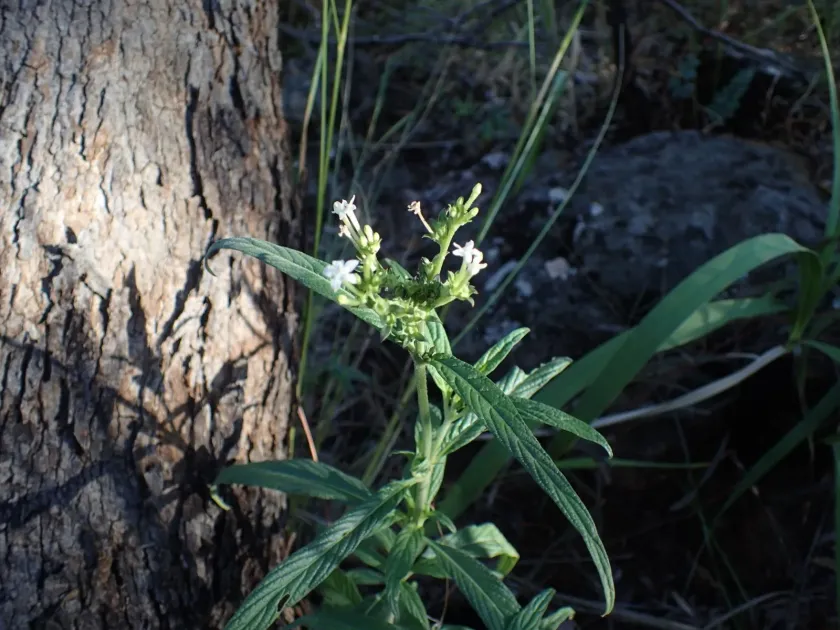
Description
Growing requirements
Pentas angustifolia is an ornamental plant species belonging to the Rubiaceae family. Originating from the tropical regions of Africa, this plant has adapted to warm climates characterized by high levels of solar radiation and consistent ambient temperatures throughout the year.
The cultivation of this crop requires well-drained, nutrient-rich soil with an acidic to neutral pH balance. The substrate should be loose enough to allow for optimal root aeration, which is essential for preventing the physiological stress associated with oxygen deprivation in the root zone.
Light requirements are significant; Pentas angustifolia thrives in full sun or light partial shade. In industrial greenhouse conditions, supplemental lighting may be utilized during shorter daylight hours to maintain continuous physiological activity and consistent growth rates.
Temperature management is critical for the survival of this heat-loving crop. It is not frost-tolerant, and temperatures dropping below 15 degrees Celsius can cause significant damage to the plant's metabolic processes and overall health.
Agronomic management includes regular irrigation, ensuring that the soil remains moist but never waterlogged. Fertilization programs focusing on micronutrients and balanced NPK ratios are recommended to sustain the plant's structural integrity and vibrant flowering displays.
Main diseases and pests
The primary pest challenges for Pentas angustifolia include spider mites and whiteflies, which tend to flourish in environments with low humidity. Integrated pest management protocols, including biological control or targeted acaricide applications, are necessary for high-quality production.
Fungal pathogens such as root rot represent a significant risk, typically triggered by excessive soil moisture or poor ventilation in confined cultivation spaces. Maintaining proper spacing between plants and ensuring rapid water drainage are the most effective preventive measures.