
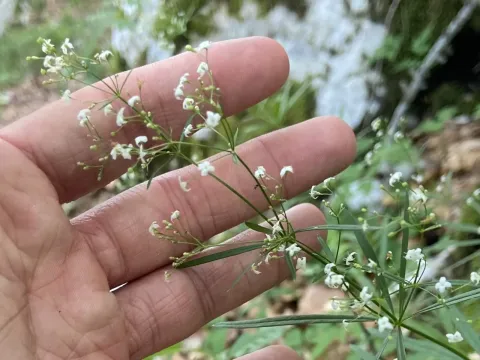
Smooth bedstraw
Galium laevigatum
Smooth bedstraw (Galium laevigatum) is a perennial herbaceous plant belonging to the Rubiaceae family. Native to various regions with temperate climates, this plant is recognized for its smooth stems and high adaptability to diverse grassland ecosystems.
What the section contains
Smooth bedstraw
Botanically, the plant is characterized by a whorled leaf arrangement and a complex root system that facilitates nutrient absorption from deeper soil layers. This physiological trait allows it to thrive in various soil types, provided there is adequate drainage and fertility.
Climate requirements for Galium laevigatum primarily involve sufficient sunlight and moderate moisture. It performs best in areas where the soil moisture remains consistent during the spring growing phase, ensuring rapid biomass accumulation before the summer heat.
Soil management plays a crucial role in cultivating this crop. It prefers neutral pH levels and well-structured soils. Regular fertilization programs help maintain the high protein content of the forage, which is essential for livestock nutritional requirements.
The agricultural usage of smooth bedstraw is primarily focused on grazing and hay production. Due to its hardiness and ability to regenerate after mowing, it is often included in perennial grass mixes to enhance biodiversity and nutritional value of pastures.
Disease pressure in smooth bedstraw is often linked to environmental stress. Fungal pathogens, including mildews and rusts, are the most common threats that manifest in high-humidity conditions or poor-ventilated fields.
Pests such as aphids and specific beetles can cause significant foliage damage if left unmanaged. These insects target the tender parts of the plant, potentially causing stunting and reducing the overall quality of the harvested biomass.
Integrated Pest Management (IPM) strategies are recommended for managing these threats. This includes monitoring the fields frequently and ensuring that the density of the crop allows for adequate airflow throughout the growing season.
Chemical intervention should be considered a last resort, prioritizing organic control agents that do not leave harmful residues on the forage. Maintaining a healthy soil microbiome can also boost the plant's natural resistance to common diseases.
Proper harvesting techniques, such as adjusting the mowing height, can help manage pest populations by removing infested material and interrupting the life cycle of common pathogens found in agricultural fields.